
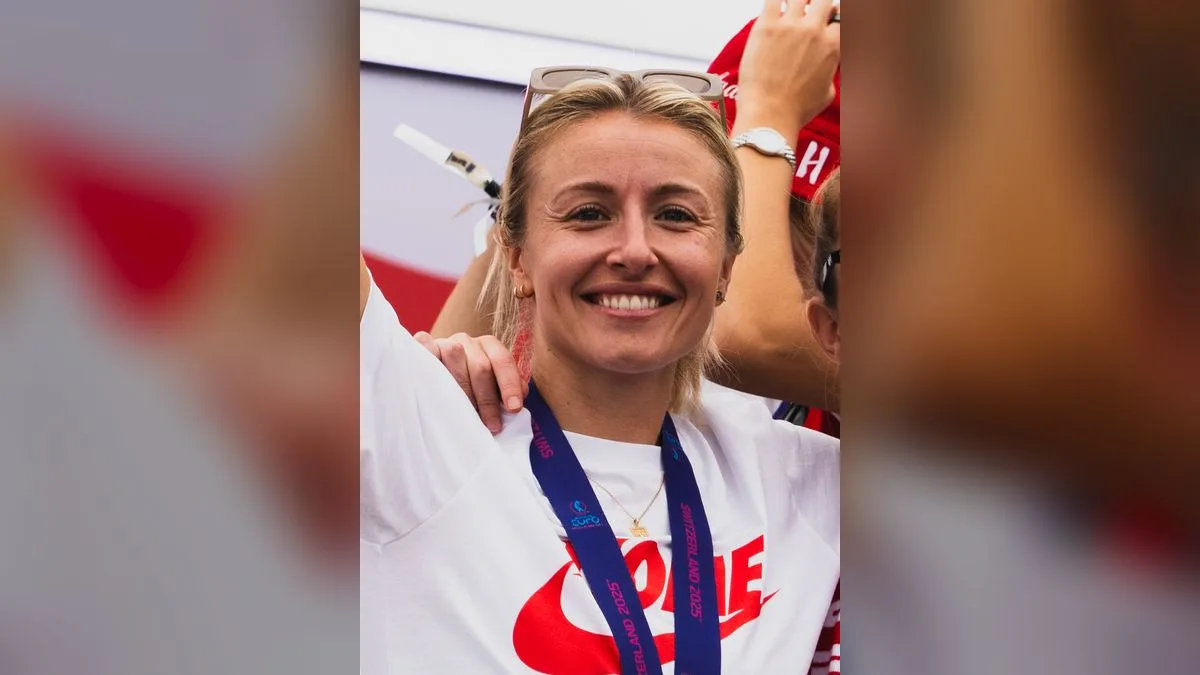
From Arsenal academy prospect to first‑team breakthrough
Leah Williamson arrived at Arsenal’s youth programme as a child and moved steadily through the club’s age groups before making the step into senior football. Her integration into the first team in 2014 came after years of work in Arsenal’s development pathway, where coaches identified technical comfort on the ball and an ability to play in several positions. At Arsenal she benefited from a clear pathway and regular exposure to experienced team‑mates, which helped her convert youth promise into a dependable professional presence.
| Born | 29 March 1997 |
|---|---|
| Nationality | United Kingdom |
| Position | Defender |
| Height | 1.70 m |
Club career: continuity and gradual responsibility
Arsenal has been the single senior club in Williamson’s career since 2014, and that continuity shaped her development as a player and leader. Remaining at one club allowed Williamson to build an understanding of the club’s culture and tactical expectations while gaining opportunities in multiple roles across the back line and midfield. Over successive seasons she moved from a young squad option to a regular starter, taking on more of the defensive organisation and distribution duties as Arsenal refreshed their squad around homegrown talent. Staying at a single club also let her grow into a leadership figure at club level without the disruption of transfers or long settling‑in periods.
International rise and tournament leadership
Williamson’s England career followed a similar upward trajectory to her club path. She progressed through youth levels before becoming part of the senior squad and then moving into a leadership role. The high point of that international arc was captaining England to a major championship. Leading the national team during a major tournament tested all the qualities she had developed at club level: calmness under pressure, an eye for intelligent positioning, and the capacity to marshal teammates in high‑intensity matches. Her presence altered how England balanced possession and defensive structure, and her captaincy brought a blend of tactical clarity and steady temperament to the side.
Playing profile: what she does on the pitch
Williamson is best known as a ball‑playing defender who combines positional intelligence with comfortable passing. She often starts moves from the back, looking to progress play through measured long passes or short combinations rather than resorting to riskier clearances. Her decision making under pressure is a recurring feature: when opponents attempt to press high, she chooses angles and timing to release teammates into space. Defensively she reads the game well, using anticipation and positioning to intercept and counter threats rather than relying solely on physical recovery speed. That cerebral approach suits systems that demand defenders contribute to build‑up play and retain defensive solidity.
Leadership and influence
- Calm communicator: Williamson organises defensive shape without heavy reliance on shouting, using gestures and succinct instructions to keep the back line aligned.
- Consistent presence: Her availability and steady performances provide a foundation other players can trust during tactical changes and personnel rotations.
- Role model: By progressing through Arsenal’s pathway and gaining international honours, she has become a visible example for younger players aiming for the senior game.
- Versatile operator: Comfortable in central defence and in midfield, she gives managers tactical flexibility to change formations without substitutions.
Why she matters to the modern game
Williamson represents a current premium in women’s football: a defender who can both build play and maintain defensive resilience. Her career at a single top club, combined with international leadership, shows how continuity and careful development produce players suited to possession‑centric styles. She also matters because of what she symbolises for England and club football — an emphasis on homegrown progression, technical education from an early age, and leadership cultivated on the field. As teams increasingly demand defenders who initiate attacks, Williamson’s profile offers a template for coaches and academies prioritising technical and tactical education alongside physical training.
Standing and future influence
As her career continues, Williamson’s longest‑term influence may be off the pitch as much as on it. Young players watching her pathway through Arsenal’s ranks and into the role of national captain learn the value of positional intelligence and leadership built through daily training and match experience. On the pitch she will remain a reference point for coaches choosing to build from the back, and for national selectors seeking leaders who can influence both defensive organisation and ball circulation. Her combination of calmness, versatility and club loyalty makes her one of the defining English defenders of her generation.
Frequently asked questions
When did Leah Williamson join Arsenal’s first team?
Leah Williamson moved into Arsenal’s senior set‑up in 2014 after progressing through the club’s youth system. Her first‑team integration was part of a steady development plan that emphasised technical growth and position flexibility.
What position does Leah Williamson primarily play?
Williamson is primarily deployed as a central defender who can also operate in midfield when required. Her skill set favours ball retention and progressive passing from deep positions.
Did Leah Williamson captain England to a major trophy?
Yes, Williamson captained England during their run to and victory in a major European international tournament, marking the national team’s first major trophy. Her leadership in that campaign combined organisational control with the ability to manage high‑pressure moments on the pitch.
