
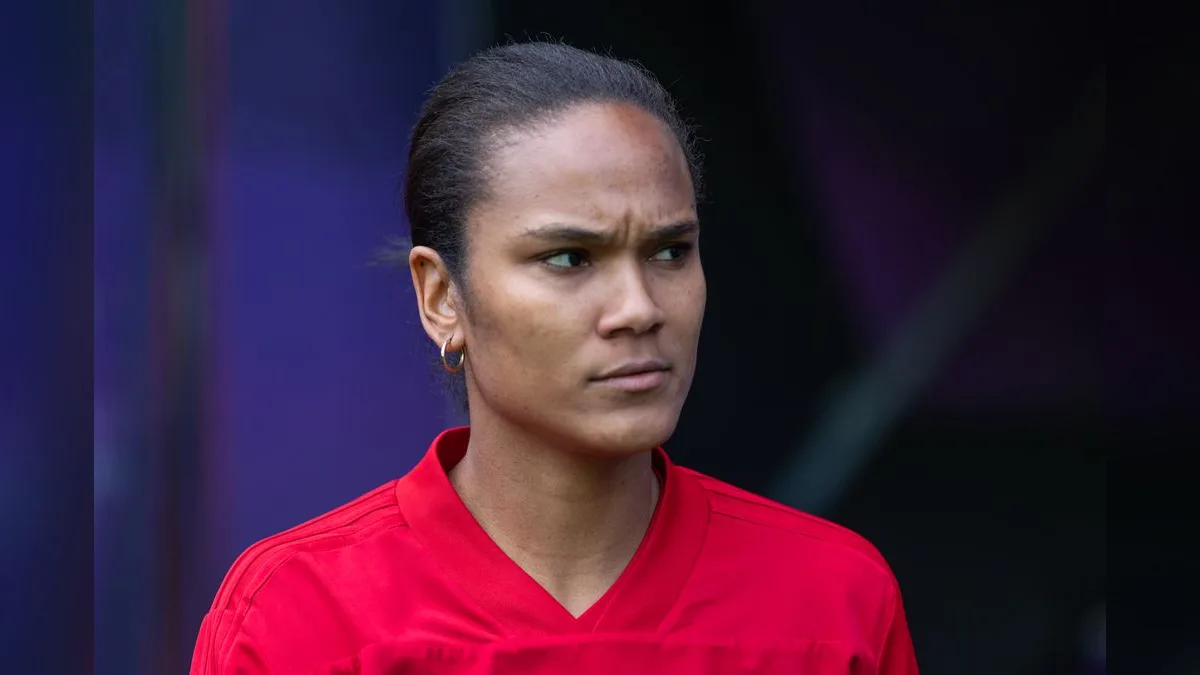
Wendie Renard is the image of continuity in modern women’s football. Born on 20 July 1990, she joined the same senior club at the start of her career and has remained its central presence for years. Her career maps cleanly onto two linked threads: leadership at club level and long-term service for her country. That combination defines why she is such an important figure in the women’s game.
| Born | 20 July 1990 |
|---|---|
| Nationality | France |
| Position | Centre-back |
| Height | 1.87 m |
| National team | France (2011–) |
Early years and arrival at Lyon
Renard arrived at the senior side of OL Lyonnes in 2006. The move from youth football into one of Europe’s most ambitious clubs happened at a formative moment for women’s club football, when investment and professional structures were beginning to widen the gap between a few elite sides and the rest. At Lyon she entered an environment geared towards sustained success: a squad and a club culture that prioritised trophies, depth and a clear identity. Those conditions shaped her career, offering regular exposure to elite domestic and continental competition in her early 20s and beyond.
Breakthrough and development as a centre-back
Renard developed into a central defender whose strengths are both physical and organisational. Her height and aerial ability make her a match-winner from set pieces at both ends of the pitch. Equally important is her reading of the game: she times interventions, directs team shape and wins duels by anticipating opponents rather than relying on recovery speed. Playing for the same club through multiple seasons allowed continuity with coaches and teammates, which in turn let her refine positional discipline and build an on-field partnership with defenders and defensive midfielders around her.
Leadership and captaincy: the core qualities
- Early responsibility: She assumed leadership roles at a young age, which accelerated her tactical understanding and communication with team-mates.
- Consistency under pressure: Her long tenure at the top level meant frequent appearances in high-stakes matches, forging calmness and dependability in decisive moments.
- Vocal organiser: She marshals the backline and the defensive unit, using clear, direct instructions and an authoritative presence to maintain team shape.
- Set-piece threat: Beyond defensive duties, she contributes goals and attacking impetus from corners and free-kicks, giving her captaincy an extra tactical dimension.
Those four elements combine to make her leadership practical rather than symbolic. She is the kind of captain who influences matches as much by actions as by words.
International career with France
Renard first joined the senior national setup in 2011 and has been part of the France squad since that year. At international level she brings the same defensive profile she displays for her club: aerial dominance, organisation and an ability to affect games during set plays. Her longevity for the national team has made her a familiar figure during major tournaments and qualifying campaigns, and she has been relied upon for experience in matches where defensive cohesion is essential. Playing international football alongside club duties has also reinforced her adaptability, since national-team rhythms and tactical demands vary from the club environment.
Why she matters to the game
Renard’s significance runs beyond personal accolades. Remaining at one elite club for a long career is rarer than it once was, and that continuity has helped define an era for that side. Her presence stabilises a defence, sets standards in training and raises the profile of the centre-back role in a game that too often celebrates attacking stars. Young players studying the position can look to her career as a model of how physical attributes, tactical intelligence and leadership combine to create prolonged effectiveness.
At club level her reliability allowed coaches to plan long-term and to build teams with a clear defensive spine. At international level, she added experience and calm to France’s backline. Those two functions—club anchor and national-team regular—make her an essential figure in women’s football and an example of how a defender can shape results and culture over many seasons.
Playing style and lasting influence
Renard’s playing style is straightforward but complete. The core elements are aerial control, timing of tackles, positional awareness and effective communication. She does not rely on bursts of pace; instead she positions intelligently, directs colleagues and converts set-piece opportunities into goals. Her influence is visible in how coaches structure teams around her and how younger defenders who come through the club emulate her approach.
Her career trajectory—from a young arrival at OL Lyonnes to an established leader at club and country—illustrates the value of stability and development within a strong institutional setting. That path helped shape a defender who is as much a planner and teacher on the pitch as a performer in the 90 minutes, and it ensures her place in the record of modern women’s football.
Frequently asked questions
When did Wendie Renard debut for France?
Wendie Renard joined the France senior squad in 2011. That year marked the start of her long-term involvement with the national team.
Which club has Wendie Renard played for?
She has been with OL Lyonnes since 2006 and has spent her senior career at that club, developing through its professional environment and competing in domestic and European competitions.
What is Wendie Renard known for on the pitch?
Renard is known for aerial dominance, positional intelligence and leadership. She organises the defence, contributes at set pieces and leads by example in high-pressure matches.
