
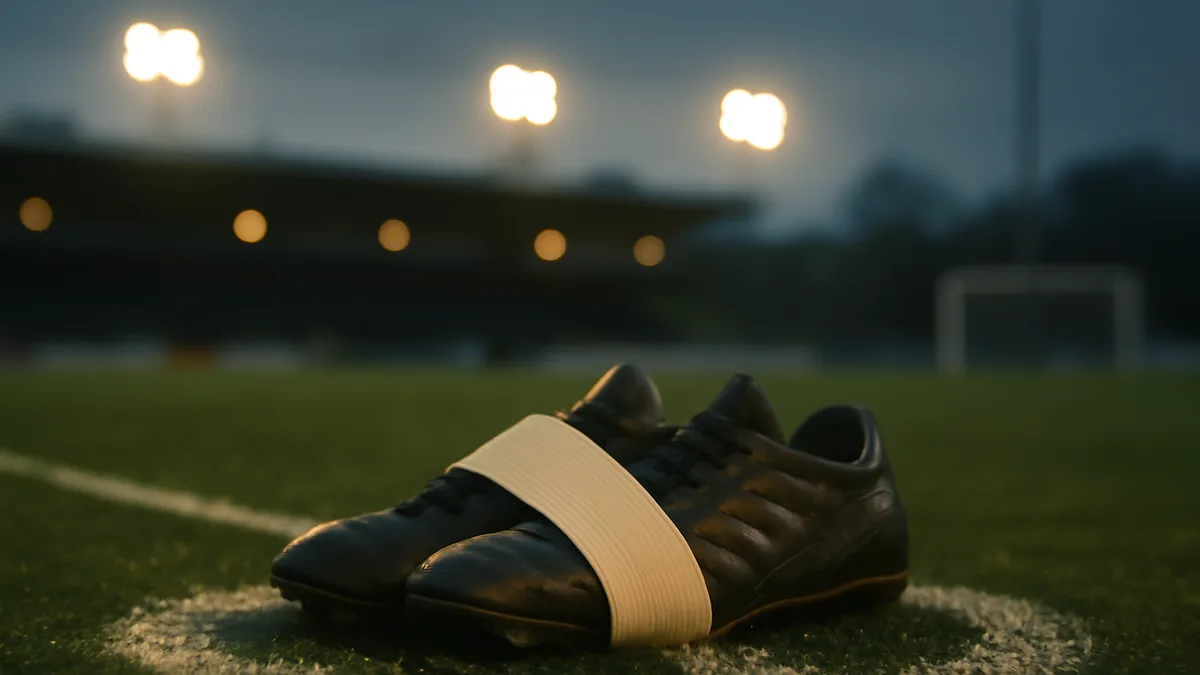
Carla Overbeck made a career from reliability. She was never the flashiest name on a match programme, but she became the kind of player coaches trusted to do the unglamorous work that wins championships: organising a defence, reading danger early and making the simple interventions teams need at high pressure. Those qualities propelled her from a successful college career into a long spell with the United States women’s national team and into the captain’s armband for the 1999 World Cup.
Early development and college foundations
Overbeck’s football education followed a familiar American path: strong youth coaching followed by a formative college environment. At the University of North Carolina she arrived in a programme that produced international players on a regular basis and learned the habits that separate good defenders from great ones — positional discipline, quick communication and a willingness to shoulder responsibility for the unit rather than seek individual acclaim.
That college phase matters because it established two durable traits. First, a tactical intelligence that made Overbeck more anticipatory than reactive; she rarely looked caught out. Second, a temperament for leadership: she learned to manage team routines, to set standards in training and to lead by example on the pitch. Both traits followed her when she moved into senior international football.
International breakthrough and the making of a captain
Overbeck’s rise into the senior national side was gradual rather than explosive. She earned selection on the basis of consistent defensive performances and maintained her place by delivering a dependable level of play across many competitions. That availability — being fit, steady and mentally present — is itself a scarce commodity at elite level and explains why coaches repeatedly turned to her.
Her assumption of the captaincy for the 1999 World Cup reflected more than a ceremonial choice. The role required a figure who could stabilise the backline while also acting as the on-field voice for a squad carrying high expectations. Under her leadership the team developed a clearer defensive identity and a capacity to manage tense moments in front of large crowds and intense media attention. That trait — calm leadership under duress — is the hallmark that defined her international legacy.
Club career and the professional era
When the women’s game in the United States entered its first full professional phase, Overbeck was part of that transition. She joined the new professional competition and became one of its visible veterans, a player whose presence helped younger teammates acclimatise to the demands of a longer season and a different off-field routine. Her time as a club player added an essential dimension to her career: learning how to sustain performance across weeks of fixtures and how to be a leader away from the national setup.
That club experience influenced her later work beyond playing. Having seen the game move from collegiate dominance to a professional landscape, she carried practical knowledge about player welfare, squad rotation and the cultural expectations that accompany professionalisation. Those lessons informed her contribution to the sport after her playing days.
What she did best on the pitch
Overbeck’s strengths were straightforward and complementary. She read the game with quiet efficiency; she defended by position rather than by reaction; and she communicated constantly with team-mates to ensure a compact shape. Those elements combined to make her an ideal partner for more attacking full-backs and a stable base for midfielders to cover forward runs.
Technically her game was built around clean, simple choices. When pressured she opted for clearance or pass to safety rather than risky plays that might expose the defence. In possession she looked to recycle the ball and start controlled counters rather than force long speculative passes. Those choices reduced turnovers in dangerous areas and kept the team structure intact.
Leadership style and influence on teammates
- Quiet authority: She led without theatrics, setting standards through consistency rather than speeches.
- Accountability: She demanded the same level of effort from herself as from others and accepted responsibility for the backline’s performance.
- Mentoring presence: Young players found in her a model for how to combine professional habits with team-first priorities.
Those dimensions of leadership mattered off the pitch as much as on it. Teammates credited her with creating a culture in which younger players could learn quickly and established stars could focus on performance. In tournaments that culture is a competitive edge: a squad that trusts its defenders and follows clear routines reduces the number of chaotic moments that can decide knockout games.
Legacy and why she matters to the game
Carla Overbeck’s importance is not measured by headline-grabbing moments but by sustained contribution. She helped stabilise a generation of American footballers at a time when the national side was building a global reputation. Captaining the team at the 1999 World Cup embedded her in one of the sport’s defining events, but her wider legacy is about leadership and example: how a defender’s temperament and choices can shape a team’s identity.
Beyond her playing career she remained connected to the sport, offering experience to coaching environments and to community programmes that aim to broaden participation. That afterlife matters: players who translate on-field leadership into support roles off the field increase the institutional capacity of the women’s game and pass on the standards that made them successful.
Final appraisal
Overbeck’s career reads as a lesson in how reliability becomes an asset at elite level. Not every influential player must be a headline scorer. Some of the most durable positive effects on teams come from those who manage risk, maintain standards and create an environment in which others can flourish. In that sense, her place in the history of the women’s game is secure: a player whose day-to-day choices amplified the strengths of those around her and helped the United States impose a defensive steadiness that matched its attacking quality.
Frequently asked questions
What position did Carla Overbeck play?
Carla Overbeck was a central defender. Her role focused on organising the backline, making simple, effective interventions and providing a steady presence in defence.
Was Carla Overbeck captain of the 1999 team?
Yes. She wore the captain’s armband for the United States at the 1999 World Cup and provided the defensive leadership the team relied on throughout the tournament.
Which college did Carla Overbeck attend?
She played her college soccer at the University of North Carolina, which provided the coaching environment and tactical foundation that underpinned her later international career.
