
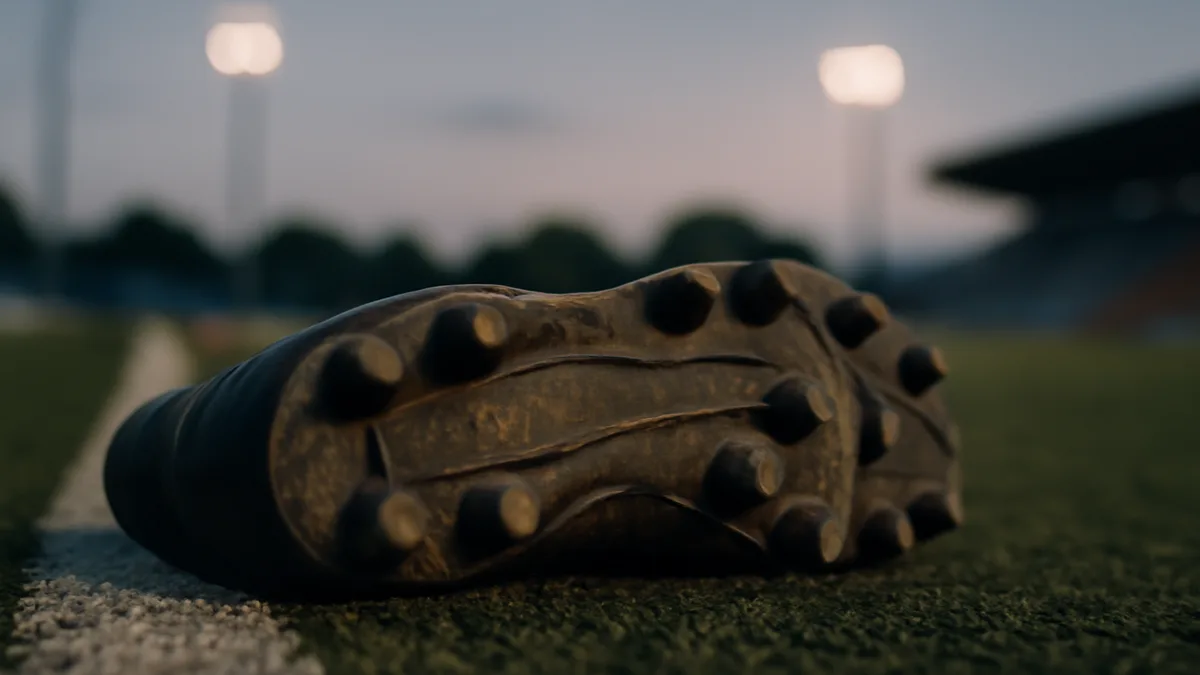
Choosing the right boot for artificial turf is about two things: reducing joint loading and getting dependable traction without damaging the surface. Firm-ground studs on 3G surfaces concentrate force under a few points and can transmit higher shear to ankles and knees; that is the core risk to avoid.
This guide lists the priorities in order, explains the practical differences between soleplates, and shows where people commonly go wrong. It also covers warranty issues and simple checks to make before buying.
How to decide
Decide first where the boots will be used most often and what matters most: joint protection, ball feel, or multi-surface versatility. If most play is on short-pile artificial turf, aim for a soleplate designed for that surface; if play mixes between grass and turf, accept some compromise and check warranty terms on mixed use.
Priority checklist (in order)
Fit and last
Fit is the primary control on comfort and injury risk. Boots made on wider lasts suit broad feet and reduce pressure points that can lead to altered running mechanics; brands such as Puma King and New Balance have historically offered broader lasts. Always try boots on with the socks intended for play and test lateral movement in the store or at home before committing.
Soleplate type for turf
Soleplate design should match the construction of the pitch. Turf trainers (TF) use dense rubber studs or nub patterns that spread load across the foot, reducing peak forces compared with clustered metal or long conical studs. For shorter, third-generation surfaces the gentler, multi-nubbed sole is a safer default than firm-ground (FG) studded options.
Shock absorption and midsole
Shock control under the heel and forefoot reduces repeated impact transmitted up the leg. Look for midsoles specified for cushioning or named foam technologies from established brands; thicker, responsive foams damp vertical loading without making the boot sloppy in touch.
Traction pattern and pivot control
Traction must allow secure push-off without locking the foot, which increases torsional stress. Soleplates with a mix of shallow studs and textured rubber areas give traction while allowing small slips that protect ligaments during planting and twisting.
Surface compatibility
Match the boot to the dominant surface rather than chasing a single ‘do-everything’ pair. If pitches are officially rated and maintained to a recognised quality programme, select boots intended for that turf class; otherwise, pick turf-specific soles that lower point pressure and shear. A boot that works on a properly certified field can still be inappropriate on older or poorly maintained turf.
Durability and materials
Upper materials affect ball feel and longevity. Synthetic uppers dry faster and tolerate abrasive turf better than delicate leathers, while knitted uppers offer fit and breathability at the expense of abrasion resistance. Where durability matters most, choose a construction noted for reinforced zones around the toe and medial areas.
Warranty and manufacturer guidance
Check what the maker covers on artificial-turf use. Some brands exclude damage from FG studs used on artificial surfaces; others will void warranty if the boot is used on multiple surface types. If warranty clarity is important, request written terms or the relevant section from the retailer before purchase.
Common mistakes buyers make
- Buying for grass: Choosing firm-ground studs because of grass performance then using them on turf increases joint loading and wear on the boot.
- Ignoring outsole symbols: Assuming any studded boot is safe for turf can void warranties and shorten boot life.
- Overlooking fit changes: Not testing boots mid-laceup and in lateral motions underestimates how a tight or loose fit alters comfort and injury risk.
Table: How common alternatives compare
| Option | Surface compatibility | Joint loading | Typical use case |
|---|---|---|---|
| Firm-ground studs | Natural grass only | High when used on turf | Max traction on grass; avoid on artificial turf |
| AG-style soleplate | Maintained 3G and hybrid turfs | Moderate; designed to reduce peak shear | Good where pitches are built to spec |
| Turf trainers (TF) | All short-pile artificial surfaces | Low; spreads load across many nubs | Training and recreational matches on turf |
| Indoor (flat rubber) | Indoor courts only | Low vertical load; low shear risk | Futsal and hard-court surfaces |
What differs for beginners and experienced players
Beginners benefit most from boots that prioritise comfort and low joint loading — turf trainers or cushioned AG-style plates reduce the risk of early joint irritation and make training less punishing. Experienced players who need sharper touch and higher responsiveness may accept a firmer soleplate or closer-fitting last, but should switch to turf-specific options when most sessions are on artificial surfaces to avoid chronic joint stress.
Where people go wrong with warranties
Buyers assume warranties cover all normal wear. Many manufacturers explicitly exclude damage caused by using the wrong soleplate on artificial turf or by installing replacement studs not supplied by the maker. Always read the warranty for exclusions and keep proof of where and how the boots were used if a claim ever arises.
Final step: what to do next
Visit a retailer with the surface type in mind and try at least two different lasts and two soleplate types while performing gentle lateral movements and short sprints. Ask the seller to show the warranty terms for artificial-turf use and keep the receipt and warranty information. If club or pitch management can confirm the pitch meets an accepted quality programme, factor that into the final choice.
One more practical check: before using new boots in a match on turf, test them in a short training session so any fit issues or unexpected grip behaviour can be fixed without risking injury.
In one sentence: match soleplate to surface, prioritise cushioning and fit, and verify warranty coverage for artificial-turf use.
FIFA quality standard
Frequently asked questions
Are firm-ground studs safe on artificial turf?
Firm-ground studs are not safe for most artificial turf because they concentrate force under a few points, increasing torsional and impact loads that raise injury risk and can damage the surface.
How should a boot feel for turf use?
A turf boot should fit snug without pinching, allow natural toe flex and have a sole that spreads load across many contact points to reduce peak forces during planting and cutting.
What warranty points to check before buying?
Check whether the warranty excludes damage from using firm-ground studs on artificial turf, whether mixed-surface use is covered, and what proof of purchase or usage the manufacturer requires.
