
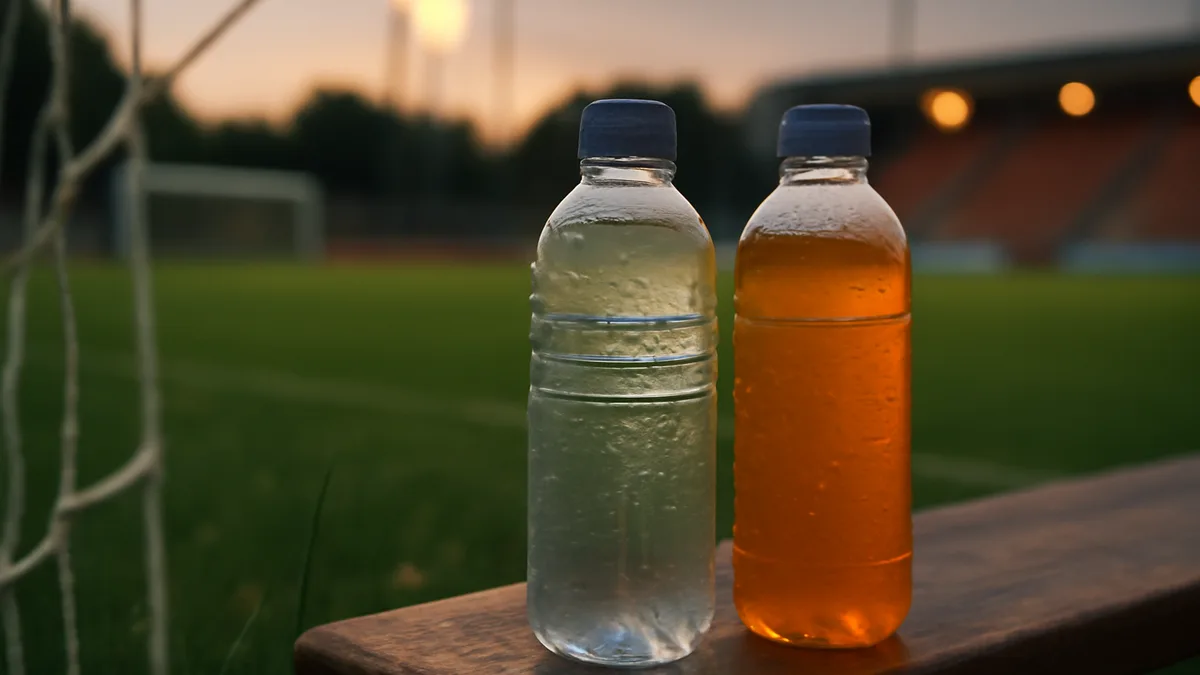
The core decision is simple: use water when fluid alone will restore losses; use an electrolyte drink when sodium or carbohydrate replacement matters. Session duration, sweat losses and environmental heat change how quickly that threshold is reached.
This guide explains when to rely on water, when to carry a sports drink, and how to choose one for a particular session. It avoids medical advice and keeps to practical rules that fit everyday sport, commuting in hot weather, and travel.
How to decide before a session
Start by estimating three things: how long the session will last, how hard it will be, and how hot it will be. Short, low-intensity efforts in temperate conditions usually need only water. Long sessions, high intensity or sustained sweating in heat push the balance towards a drink that replaces sodium and provides carbohydrate.
Common mistakes people make
People either overuse sports drinks for short sessions or rely on water for multi-hour efforts. Overuse can add unnecessary sugar and calories; underuse raises the risk of cramping, impaired performance and excessive thirst on long efforts. Another frequent error is failing to rehearse the drink choice: what is carried in training should match race or travel plans.
How the evidence frames choices
Fluid replacement during activity has two aims: restore plasma volume and maintain carbohydrate availability. Sodium is the principal extracellular electrolyte lost in sweat and is the main driver of how much fluid the body retains during prolonged sweating. Readers can consult trusted summaries on the science of electrolytes for background.
Priority checklist: six steps to choose
Follow these steps in order. Each heading is a single decision point; the order reflects how often it changes the recommendation.
Session length
Sessions under 45 minutes at moderate intensity generally need only water to replace sweat losses. Sessions longer than an hour are where electrolytes and small amounts of carbohydrate start to matter for comfort and performance.
Heat and humidity
Hot or humid conditions increase sweat rate and sodium loss per hour, so prefer an electrolyte drink sooner in these environments than in cool weather. Even on shorter sessions, extreme heat can make an electrolyte option useful to limit thirst and maintain plasma volume.
Intensity and carbohydrate need
High-intensity sessions that rely on glycogen benefit from carbohydrate taken during activity; choose a drink with 3 6% to 8 6% carbohydrate concentration if feeding is needed. For purely low-intensity work, carbohydrate is optional and can be skipped while still using electrolytes if sweating is heavy.
Sweat rate
Higher sweat rates increase both fluid and sodium losses per hour, making electrolyte replacement a priority. If sweat is heavy or long-lasting, plan for periodic intake of sodium-containing fluid rather than only water.
Frequency of intake
How often fluids can be taken matters: if drinking opportunity is infrequent (long stretches between aid stations or remote travel), use a drink that contains both sodium and carbohydrate so each intake delivers more utility. If sips are available every 10 6 minutes, plain water can be adequate for shorter efforts.
Personal tolerance and stomach comfort
Some people experience stomach upset from concentrated carbohydrate drinks or from cold, sugary fluids during very hard efforts. Test products in training and choose lower-concentration or sodium-only options if tolerance is a problem.
Quick shopping checklist
- Electrolyte content: Prefer products that list sodium amount; sodium is the key electrolyte lost in sweat and the primary reason to pick a sports drink over water.
- Carbohydrate type: Look for drinks that use a mix of sugars (glucose and fructose) when carbohydrate is needed, because mixed sugars increase the rate of carbohydrate delivery compared with a single sugar.
- Concentration guidance: Choose products with clear dilution instructions; many powder sachets are designed to make a drink in a specific concentration and that affects gastric comfort and absorption.
- Tablet or powder: Tablets are portable and convenient for travel; powders offer more flexibility on concentration and flavour strength.
- Transparency: Prefer brands that publish sodium and carbohydrate per 100 ml values so replacement can be matched to needs.
Comparing water and drink types
| Fluid type | Sodium | Carbohydrate | Best use |
|---|---|---|---|
| Plain water | None | None | Short sessions, replacing mild fluid loss between quick efforts. |
| Hypotonic sports drink | Low | Low | When quick fluid absorption is the priority and carbohydrate needs are small. |
| Isotonic sports drink | Moderate | Moderate | General training of 1 6+ hours and steady-state endurance where carbs and sodium are useful. |
| Hypertonic/concentrate | Variable | High | Post-exercise refuelling or when carbohydrate intake needs to be prioritised alongside separate fluid intake. |
What beginners and experienced athletes do differently
Beginners can apply simpler rules: use water for sessions up to an hour in normal conditions, and a standard isotonic drink for sessions beyond that, or for exercising in heat. They should prioritise testing a single product in training and avoid switching brands close to an important event.
Experienced athletes measure sweat losses and plan intake by volume and sodium per hour. They rehearse race-day intake exactly, including bottle size and sip frequency, and they often carry small sachets or tablets to match variable conditions on race day.
Where people go wrong on trips and travel
On travel days the priority is avoiding large fluid deficits before activity: err on the side of sipping fluids regularly rather than chasing a large drink later. In unfamiliar climates, expect a higher sweat rate and plan for electrolyte options at every long outing. For long journeys, small electrolyte tablets or sachets are easier to carry than multiple drink bottles.
What to do next
Decide by the three quick questions: how long, how hard, how hot. If the answer to any of those warrants concern, pack an electrolyte option that lists sodium and carbohydrate clearly. Test the chosen product in training and note personal tolerance; if stomach upset occurs, dilute it or choose a lower-concentration option.
For background reading on the science of electrolytes and on clinical fluid loss, consult trusted summaries such as the entry on electrolyte and resources about dehydration.
Frequently asked questions
When is water alone sufficient?
Water alone is sufficient for short sessions (generally under an hour) at moderate intensity in cool conditions where carbohydrate feeding is not required. If sweating is light and drinking opportunities are frequent, water restores plasma volume adequately for brief efforts.
How do I estimate my sweat rate quickly?
A quick sweat-rate check is to weigh before and after a typical training hour without drinking, and note the mass lost; that loss approximates hourly sweat volume when 1 kg equals about 1 litre. Use that value to decide whether a sodium-containing drink is needed for longer sessions.
Which drink type suits ultra or multi-hour events?
For multi-hour events choose a drink that replaces sodium and supplies modest carbohydrate; isotonic or slightly hypotonic carbohydrate-electrolyte drinks balance fuel and fluid absorption. Athletes should rehearse sip frequency and concentration in training to avoid gut distress.
