
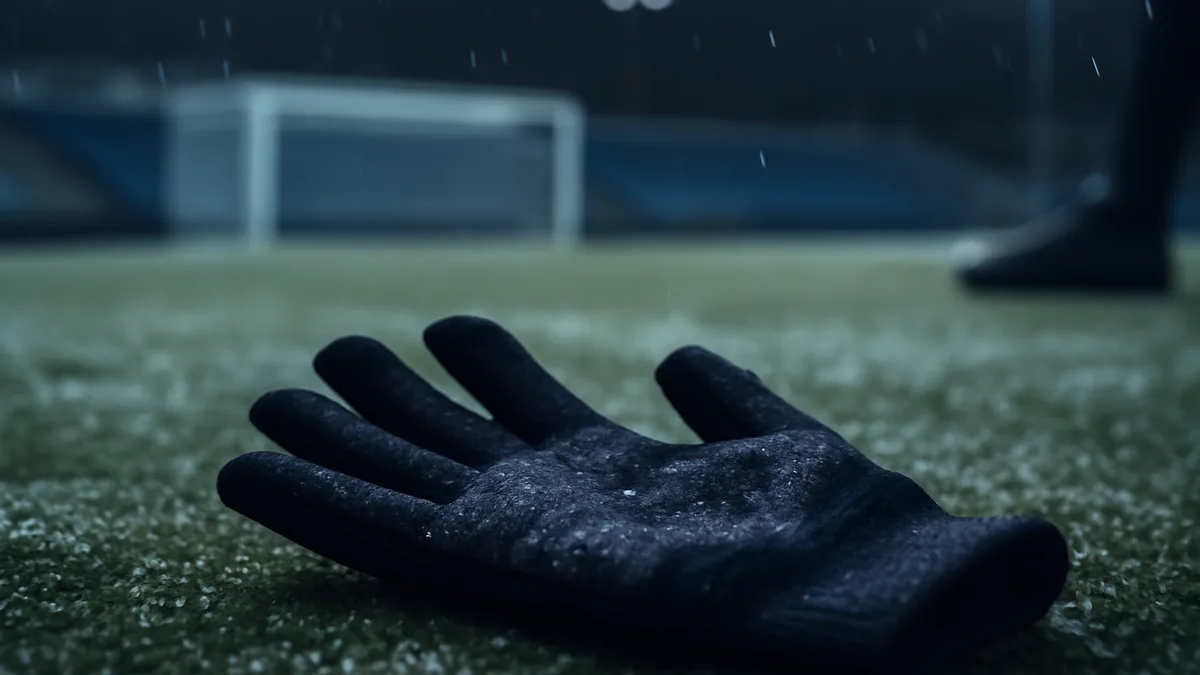
Buying winter training gloves comes down to four trade-offs: warmth versus ball feel, grip when wet versus durability, touchscreen convenience versus construction complexity, and rule compliance for organised play. This guide places those trade-offs in a clear order so a buyer can decide cheaply and confidently which feature to prioritise.
The list below is a ranked sequence of the checks that most often determine satisfaction. Each point opens with the decision in one sentence and follows with two or three sentences of practical explanation. Read the sections before the list to set priorities, and the sections after the list for common mistakes and next steps.
How to decide what matters
Start by thinking about where and how the gloves will be used. If training is mostly outdoors in driving rain, grip when wet should outrank insulation; if sessions are on cold, dry artificial turf, thin thermal gloves that preserve ball feel are a better choice. Factor in frequency: a pair used daily needs different durability and maintenance considerations than a glove worn once a week.
Also consider control needs. Goalkeepers and outfield players who need fingertip dexterity should sacrifice insulation before grip. Players who also handle phones during sessions should decide whether built-in touchscreen panels are essential, because they can affect grip and seam placement.
Common buyer mistakes
Buyers often pick the warmest glove and then complain about losing touch on the ball. Others assume ‘waterproof’ equals ‘grippy when wet’; a membrane can stop water but still leave the palm slick. Finally, many follow marketing for a brand name instead of looking at cut and last — fit and finger cut influence feel far more than paintwork or logo placement.
Who should buy what
Beginners benefit from gloves that are forgiving on fit and easy to maintain: thicker, simpler constructions with visible seam lines and basic palm texture. Regular players need a balance of durability and performance — reinforced palms, multi-panel cuts and proven grip compounds. Players who value precise ball feel and fingertip control should choose low-profile gloves with thin insulation and a close anatomical cut.
The essential checks (in order of importance)
Fit and finger cut
Fit is the single biggest determinant of performance. Gloves should follow the natural curve of the hand with no loose material across the palm or excess tension at the fingertips. Pay attention to cut types: an anatomical or negative cut yields a snug fit and better ball feel, while a flat or classic cut gives more room and can be more comfortable for wider hands.
Palm grip and compound
Grip is about the palm material, its texture and how it behaves in water. Look for palms described as tacky or high-friction; different glove makers use different latex or silicone compounds that prioritise initial tack, wet grip or long-term abrasion resistance. If sessions include rain, choose a compound specifically noted for wet performance rather than one optimised only for dry tack.
Warmth versus thin ball feel
Decide whether insulation or feel is the priority. Thinner gloves preserve touch and are better for ball control and passing, while thicker, fleece-lined or neoprene-backed gloves give warmth but blunt sensation. Layering can work: a thin performance glove under a thermal outer glove keeps warmth without losing all feel.
Water management and breathability
Waterproof membranes keep hands dry but can trap sweat and reduce grip; breathable knit or mesh panels vent moisture but let rain through. For mixed weather, look for hybrids that combine a water-repellent outer with ventilated zones where the palm meets the fingers. Maintenance matters: drying and cleaning routines preserve both grip and insulation over time.
Durability and reinforcements
Durability depends on palm thickness, reinforcement patterns and seam placement. Reinforced palms or added abrasion panels extend service life for heavy use, but thicker palms trade off ball feel. Check the stitch patterns: flatlock seams sit closer to the skin and reduce hotspots compared with bulky internal seams.
Touchscreen compatibility
Touchscreen panels on thumbs and index fingertips add convenience for phones and smartwatches but can change the way the fingers contact the ball. If using a touchscreen is essential, prioritise gloves with small, precisely placed conductive pads rather than large, full-finger coatings. Test whether the conductive material sits on the fingertip pad or further from the contact point with a ball-like surface.
Wrist closure and security
Wrist systems keep gloves in position without restricting circulation. Velcro straps give a secure, adjustable fit; elastic slip-on styles are quicker to put on but can move during play. A long cuff offers better wind protection and seals warmth, while a short cuff is less likely to interfere with wrist movement.
Rule compliance for organised play
Confirm whether the competition permits specialised training gloves or requires plain designs; some leagues restrict colours, advertising or grip treatments for official matches but are more relaxed for training. When in doubt, choose gloves without excessive branding or extreme surface textures for competitions. Check the competition rules before using the gloves in a regulated match environment.
Comparing typical alternatives
| Type | Warmth | Grip when wet | Ball feel |
|---|---|---|---|
| Thin performance | Low | Medium | High |
| Insulated thermal | High | Low–Medium | Low |
| Waterproof shell | Medium | Variable | Medium |
| Hybrid reinforced | Medium | High | Medium–High |
Where people go wrong
Putting warmth first without checking palm material is the most common error; many warm gloves use smooth outer layers that reduce friction. Another frequent mistake is ignoring fit in favour of added features like touchscreen panels or long cuffs. Finally, buyers underestimate maintenance: grip compounds degrade quickly if gloves are left wet or not stored properly.
What to do next
Decide the single most important attribute for training sessions — warmth, wet grip or ball feel — then use the list above to eliminate incompatible constructions. Try gloves on with a ball or a similarly textured surface, check wrist security and test any touchscreen panels on a phone. If still unsure, buy one thin performance pair and one insulating outer pair to layer; the combinations cover most winter scenarios and let a buyer refine choices with real use.
Competition rules are available from the governing bodies and should be consulted before wearing gloves in official matches.
Frequently asked questions
Are touchscreen panels worth it on gloves?
Touchscreen panels add convenience for phones but can change fingertip contact with the ball. They are worth it if frequent device use during sessions is essential; otherwise they are an avoidable trade-off against pure grip.
How should gloves be cared for to keep grip?
Rinse salt and dirt out after use, dry gloves flat away from direct heat and do not machine-dry or bleach them. Regular gentle cleaning preserves the palm compound and prolongs both grip and fabric life.
Can the same gloves work for rain and snow?
A hybrid glove with a water-repellent outer and a tacky palm handles mixed wet conditions best. Fully waterproof gloves can protect from rain but may trap sweat, so choose based on whether immersion or cold precipitation is the main concern.
