
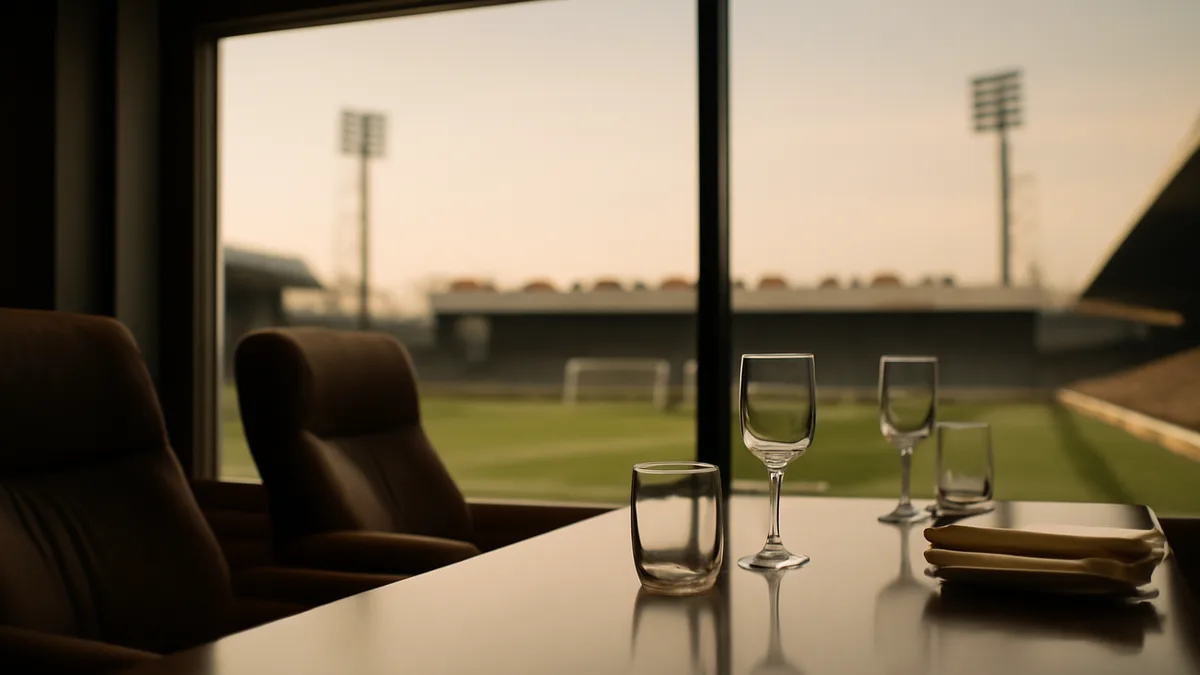
Deciding whether to buy a hospitality package turns on three things: who is in the party, what they value on matchday and how much friction the buyer wants to avoid. Hospitality sells time and certainty more than it sells novelty; for many buyers the real question is whether those benefits are worth paying for instead of assembling the same elements separately.
This guide lists the priorities that normally determine the choice, explains common inclusions and dress expectations, and shows where people most often get it wrong. The numbered sequence below is ordered by how frequently each factor matters when deciding whether to purchase a package.
How to decide before buying
Start by naming the one main outcome wanted from the day: networking, family comfort, a status experience, or an easy surprise-free outing. For each outcome, set a hard limit on the non-negotiables — private seating, early stadium access, a table service meal — and use those limits to filter the offers. If cost is a concern, compare the full inclusions list against the cost of buying the components separately: admissions, a plated meal, drinks, and transport or parking.
Seven priority checks when choosing a hospitality package
Private seating and sightlines
Private seating is the core difference between a hospitality package and a regular ticket: buyers get a reserved area, often with better sightlines and dedicated service. Confirm whether seating is in a fixed box, a lounge with tiered views, or reclined restaurant-style chairs; how those seats relate to the pitch affects the experience more than the label “VIP”. If unobstructed pitch views are essential, ask for a seat map or a row reference before committing.
What is included
Packages commonly bundle admission, hospitality lounge access, a meal and a drinks allowance or open bar, but the exact contents vary widely. Check for which meals are covered (pre-match, half-time, full three-course), whether drinks include wines and bottles or only a limited menu, and whether extras — player appearances, car parking, or matchday programmes — are standard or paid add-ons. A sparse-sounding package can still have value if it guarantees a dedicated table and quicker entry.
Dress code and atmosphere
Dress codes range from smart-casual to jacket-required; the code influences atmosphere more than price. Corporate lounges and official club rooms often enforce smarter standards and a quieter environment geared to conversation. If the aim is a relaxed family day, look for packages explicitly described as family-friendly or casual; for networking, pick options that state business attire or smart dress.
Timing and access benefits
Access perks such as early stadium entry, dedicated turnstiles, or private parking are often decisive for buyers who value time over money. These benefits reduce queues and create buffer time for travel or meetings; for corporate hosts, they protect schedules. Confirm whether hospitality doors open earlier than general admission and whether exit routes differ — quick departure can be as valuable as quick entry.
Service level and staffing
Service expectations should be explicit: table service, buffet, plated courses, or self-serve drinks all feel different on matchday. Packages that promise dedicated hosts or concierge staff support a higher-touch experience and make hosting easier because the organiser spends less time managing logistics. Check refund or replacement policies for last-minute staff shortages when the event is important.
Social mix and suitability for the party
Hospitality rooms attract particular crowds: corporate clients, season-ticket holders upgrading for events, and away supporters in some cases. Choose a package whose advertised audience matches the guest list; a networking-focused lounge may be poor for children, while family packages will be louder and more informal. If privacy matters, seek private boxes or smaller suites rather than large shared lounges.
Value versus a ticket plus a meal
Compare a hospitality package against buying a regular ticket and booking a stadium restaurant or nearby restaurant: the package wins on predictability and speed, while the separate purchase can be cheaper and more flexible. Calculate the real difference by listing the inclusions you care about and pricing comparable local meal options. For groups where coordination is a hassle, the hospitality route often saves time even if it costs more.
Where people go wrong
Buyers commonly overvalue vague labels like “premium” and assume all hospitality is equivalent. The mistake is treating every package as interchangeable when what matters is the mix of access, service and seating. Another frequent error is neglecting transport and timing: a pricey package that saves ten minutes on queues can still be poor value if it forces a long, expensive taxi both ways. Finally, assuming drinks are unlimited inside every package leads to surprise bills; always check the drinks policy.
What differs for beginners and experienced buyers
Beginners should prioritise clear inclusions and simple rules: a single invoice, fixed menu, and a named contact for questions reduce stress on the day. Experienced buyers can focus on subtler trade-offs: choosing lounges with reputations for quieter privacy, negotiating credit for unclaimed extras, or selecting packages that allow flexible guest lists. Seasoned hosts also read the small print on cancellation terms and supplier change clauses more closely.
Table comparing common alternatives
| Option | Price predictability | Inclusion level | Typical dress code | Social environment |
|---|---|---|---|---|
| Hospitality package | High — bundled cost | Large — admission, meal, drinks often included | Smart-casual to formal | Mixed: corporate and social groups |
| Ticket plus a meal | Medium — separate charges | Variable — admission plus chosen meal | Flexible — depends on venue | More varied and informal |
| Private box hire | High — fixed for the event | Customisable — often empty space supplied | Any, host decides | Private and controlled |
What to do next
List the three non-negotiables for the matchday and contact the club or provider asking for those items to be confirmed in writing. If comparison shopping, request a written breakdown of inclusions and a seating reference for each option. Finally, check the club’s official matchday hospitality and compare with a ticket plus a meal to verify which choice meets the named priorities most directly.
Frequently asked questions
What is usually included in hospitality packages?
Most packages bundle admission with access to a lounge or box, a meal and a drinks provision, but the exact contents vary. Always ask for a written inclusions list to check whether items like parking, programmes or player appearances are included or charged extra.
Do hospitality dress codes vary by venue?
Yes. Dress codes range from casual to business or smart dress depending on the club and the room’s intended audience. Confirm the stated dress code beforehand to avoid being refused entry to a lounge that enforces a higher standard.
When is a ticket plus a meal better value?
A ticket plus a separately booked meal can be better value when the priority is price or flexibility rather than predictability and speed. It suits groups comfortable coordinating logistics and those who prefer to choose restaurants or menus independently.
