
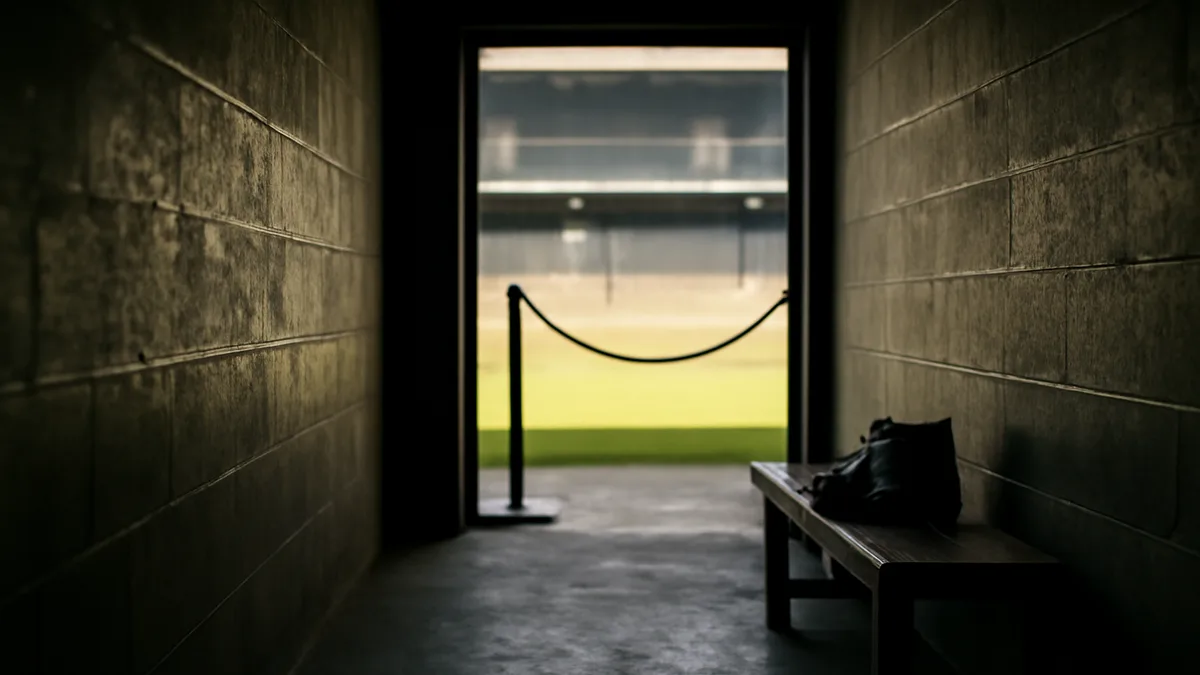
Deciding whether to book a stadium tour turns on three things: which areas matter most, how rigid the operator is about timing, and whether the club runs tours on matchdays. Tours vary from short, photo‑focused walks to full‑length experiences that include dressing rooms, the tunnel and a museum visit.
This guide lists the priorities in the order most visitors should treat them. Each point is a single, usable decision: what it delivers, when to prefer it and which compromises follow. Read the opening sections first if uncertainty is the reason for this booking.
How to decide what matters
Start by naming the single part of the visit that matters most: the pitch touchline and tunnel, the team dressing room, curated museum exhibits, or simply a panoramic stadium view for photos. If only one of those is a must, target tour types and operators that explicitly promise it; if more than one is non‑negotiable, expect to pay for a longer tour or a premium option that bundles museum access and restricted areas.
Where people go wrong
Most mistakes are avoidable. Assuming every tour includes the same areas is the common error: some operators sell a pitchside pathway and nothing more, others include the players’ tunnel but not the dressing rooms. Another frequent mistake is thinking matchday equals availability. Clubs often close core areas on matchday for safety and broadcast reasons, or run a scaled‑back tour that ends early. Finally, ignoring booking lead time causes disappointment: popular fixtures and school holiday dates fill weeks in advance.
Novice versus repeat visitors
First‑timers should prioritise a toured route that includes the pitchside vantage, tunnel and a museum. These elements give a clear sense of scale and history in one visit. Repeat visitors can trade those staples for themed access—behind‑the‑scenes hospitality suites, archive rooms, or specialised guided talks—and may prefer weekday slots when groups are smaller.
Typical route
Most commercial stadium tours follow the same loose sequence: arrival and security checks, stadium bowl viewpoint, museum or exhibition, VIP areas and hospitality spaces, players’ tunnel and pitch touchline, then dressing rooms and mixed‑zone media areas. That order is logical for crowd flow and for clubs that keep dressing rooms off limits until the end to manage cleanliness and privacy. Expect some variation: clubs with large museums often route visitors through exhibits before reaching the bowl; others lead with the skyline view and finish in a historical gallery.
Matchday closures and timings
Tours are commonly reduced or fully suspended on matchdays. Even when a club offers tours on non‑matchdays, the areas open will be limited in the build‑up and in the immediate aftermath of a match. Typical closures include dressing rooms, tunnel access and the pitch; museum areas may remain available but can be subject to early closing for stewarding or cleaning. If attending around a fixture, check the club’s published matchday schedule and allow extra time in case a tour is cut short.
Booking lead time
Booking lead time is significant and varies by club. High‑demand fixtures, school holidays and weekend mornings can sell out well ahead. Booking online generally offers the widest choice of times and explicit confirmation of which areas are included. Walk‑up availability exists at many venues but is unpredictable; for a specific time slot or access to restricted areas, book as far in advance as the club allows.
Museum access
Museum inclusion is a major deciding factor. Some tickets bundle the stadium tour and museum admission; others treat the museum as a separate attraction with its own opening hours and ticketing. A bundled offer usually guarantees timed entry to exhibits, while separate museum tickets give more flexibility but risk queues. Verify whether audio guides or exhibition labels are part of the package if interpreting the displays matters.
Accessibility and group options
Accessibility provision varies by stadium. Many operators publish step‑free routes, lift access and hearing‑assistance options, but the existence of an accessible route does not always mean all areas are reachable; historic stadiums can limit access to terraces or certain back‑of‑house rooms. Group bookings—schools, supporters’ associations or corporate parties—often get bespoke start times and can include tailored content, but they usually require earlier notice and a single point of contact for logistics.
Table: comparing common tour types
| Typical duration | Areas commonly included | Booking flexibility | |
|---|---|---|---|
| Guided group tour | Short to medium | Museum, bowl view, tunnel, touchline | Restricted times, book ahead |
| Self‑guided audio | Variable | Museum, concourses, selected viewpoints | High flexibility, walk‑in possible |
| Premium or VIP access | Longer | Hospitality, dressing rooms, extended exhibits | Limited availability, needs advance booking |
What to check before buying
- Exact inclusions: Confirm which rooms and exhibits the ticket guarantees to avoid surprises at the gate.
- Matchday status: Verify whether the chosen date is a matchday and whether the tour will run as normal.
- Time and meeting point: Note the advertised start time and arrive early for security screening.
- Accessibility needs: Ask the operator about step‑free routes and assistance if mobility or sensory access is required.
- Child and group rules: Check minimum ages, supervision rules and discounts for groups or families.
What to do next
Decide which single area matters most and match that to the tour type: pitch and tunnel for a guided group tour, exhibits for a museum‑centred ticket, or dressing rooms and hospitality for a premium package. Search the club’s official tour information for confirmed inclusions and book the earliest available slot that fits the schedule. If visiting around a fixture, pick a non‑matchday date or confirm the club’s matchday policy before committing.
Frequently asked questions
How far in advance should tickets be booked?
Booking lead time depends on the club and the date; high‑demand fixtures and school holidays need more notice. For a guaranteed time slot or access to restricted areas, book as early as the club permits rather than relying on walk‑up availability.
Will tours run on matchdays?
Many clubs reduce or suspend regular tours on matchdays, and core areas such as dressing rooms and the tunnel are often closed. If visiting near a fixture, check the club’s matchday schedule and expect some parts of the tour to be unavailable.
Does a tour always include the museum?
Not always; some tickets bundle museum admission while others sell it separately with its own opening hours. Confirm whether museum entry is included and whether the tour provides a timed or independent visit to exhibits.
