
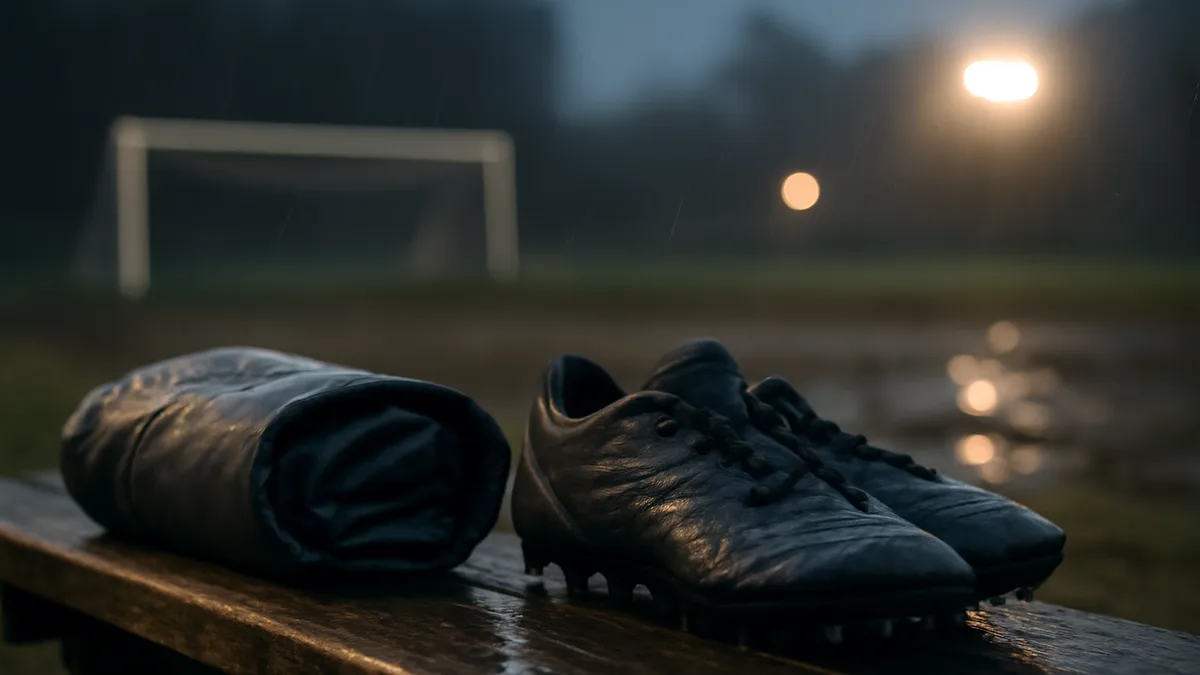
Winter football training kit decisions come down to three things: keeping moving without cooling from damp clothing, staying dry from driving rain, and matching breathability to intensity. The three-layer principle — base, mid, outer — remains the simplest way to think about those goals.
This guide lists priorities in order, then explains how to decide, where common mistakes are made, and how choices differ for a newcomer and an experienced player. Each numbered item is actionable on its own.
How to decide before spending
Start by matching kit to session type. High-intensity interval work needs more breathability and lighter layers; low-intensity technical or long drills tolerate heavier insulation and greater waterproofing. Second, choose fabrics that behave wet: some classic warm materials lose thermal performance when saturated, while modern synthetics and treated fibres keep working.
The layered checklist: ordered priorities for buying
Base layer: moisture-wicking next-to-skin
Always buy a close-fitting base layer made from synthetic fibres or merino wool that moves sweat away from skin. This layer’s primary job is moisture management; cotton should be avoided because it soaks and cools. Look for flat seams and a length that tucks into shorts or leggings so it does not ride up during drills.
Insulating mid layer: trapped air, not weight
Choose a mid layer that traps air in a lightweight structure rather than relying on bulk. Fleece and fleece-like knits (Polartec-style constructions) retain loft when damp and dry faster than heavy knit wool. For very cold, choose a synthetic-insulated gilet or jacket that keeps core heat without restricting arm movement.
Outer layer: waterproof shell over breathability
Select a waterproof or water-resistant outer that prioritises breathability for effort on the pitch. A taped-membrane shell offers the best protection in prolonged rain; DWR-treated softshells shed showers while giving stretch and ventilation. If choosing a hard-shell membrane, ensure pit zips or ventilation options are present to avoid overheating during intervals.
Shoe and sock choices: wet-surface grip and moisture control
Pick socks with synthetic blends that do not retain water and that offer graduated compression where preferred. For studs and boots, favour models with a last suited to foot shape; a wider-last range reduces pressure points if socks are thicker. Avoid cotton socks and liners — they trap moisture and increase blister risk on wet pitches.
Gloves: match cut to role and duration
For outfield players, thin insulated gloves that combine a windproof palm with a breathable back work best for running drills; heavier padded goalkeeper gloves are a different purchase and should be bought to fit the hand shape and to allow grip in wet conditions. Consider thin liners under bulkier gloves for flexibility and to prevent wetting out of insulation.
Headwear: protection without overheating
Choose a close-fitting skull cap or thin beanie made from synthetic knit or merino for most sessions; full balaclavas are useful for very cold, windy days but are overkill at high intensity. Look for ear coverage that does not block peripheral vision or interfere with headphones and collars.
Waterproofing vs packability: pick by session length
If sessions are short and intense, a packable shell that fits easily in a bag gives flexibility. For long training blocks or pitches exposed to driving rain, a more substantial waterproof shell is warranted even if it packs larger. Packability matters when commuting — a heavier waterproof hung over the shoulder during travel defeats its purpose if it is left at home.
Quick comparison table: shell types
| Type | Waterproofing | Breathability | Packability | Best for |
|---|---|---|---|---|
| Membrane shell | High protection | High when vented | Moderate | Prolonged rain or wet pitches |
| DWR softshell | Moderate in short showers | High | High | Training with movement and mixed weather |
| Insulated jacket | Variable depending on shell | Lower | Low | Stand-and-wait roles or very cold low-intensity sessions |
Where people go wrong
Buyers commonly choose too much bulk and too little breathability. Heavy jackets feel warm on the sideline but trap sweat during sprints, which then cools and creates a chill once activity drops. Another mistake is trusting natural fibres alone; wool keeps warmth when damp better than cotton, but down loses loft when wet and should be avoided for on-pitch outerwear unless it has a waterproof shell.
Glove and headwear errors are frequent. Thick gloves that look warm often ruin ball feel and reduce hand dexterity in practice. Over-using balaclavas for ordinary runs causes overheating; match head coverage to effort and wind exposure instead.
Beginners versus experienced players
Beginners should prioritise a reliable base and a versatile outer. Those two purchases cover most sessions and avoid the trap of buying many specialist pieces. A single good base layer and a breathable shell produce the biggest practical benefit for limited budgets.
Experienced players can fine-tune: multiple weights of base layers for intensity, a softshell for technical days and a taped-membrane shell for wet matches or long sessions. They also pay attention to cut and fit: slimmer, sport-specific cuts reduce flapping, and articulated sleeves preserve range of motion under mid layers.
What to do next
Decide the most common training conditions first: intensity, length and exposure to rain. Buy the base layer that fits close to the skin and a breathable outer that matches session intensity; add a mid layer or insulated piece only if sessions involve long stationary periods or very low temperatures. For gloves and headwear, test fit and ball feel where possible rather than choosing solely on apparent warmth.
Where a brand trait matters, opt for membranes known for waterproof-breathable performance and for mid-layer fabrics with a history of retaining loft when damp. Keep shopping focused: one adaptable system of base, mid, outer will cover most winter training scenarios without wasting money on single-use pieces.
Frequently asked questions
What should a winter base layer be made of?
A winter base layer should be synthetic or merino wool that moves sweat away from skin. Avoid cotton because it retains moisture and cools the body when wet.
How do I choose gloves for wet training?
Match gloves to role and intensity: thin insulated gloves for outfield running preserve dexterity; dedicated goalkeeper gloves should prioritise grip in wet conditions. Consider thin liners under bulkier gloves for flexibility and extra insulation.
When is a waterproof shell necessary for training?
Choose a waterproof shell for long sessions in sustained rain or on exposed pitches. For short, high-intensity work, a DWR-treated softshell with ventilation is often a better choice because it balances water resistance with breathability.
