
Outdoor athletes must balance performance, comfort and real health risk when choosing sun protection. The decision turns on three things: how long and intense the exposure will be, how much sweat or water the athlete expects, and which body parts are exposed.
This guide gives a ranked checklist of the most important choices, explains common mistakes and shows what differs for a new trainee and a seasoned competitor. Use it to pick protective clothing, sunscreen and eyewear that fit the session, not a marketing category.
How to decide before a session
Decide on protection by matching expected UV intensity and duration to practical constraints. For short efforts in low UV (early morning, late evening), a lightweight shirt and routine sunscreen may suffice. For long exposures, midday sessions, or exercises that combine sweat and water, prioritise persistent protection: high-UPF clothing for core areas and a sweat-resistant sunscreen for exposed skin.
Priority checklist for athletes
Sweat-resistant sunscreen
Choose a sunscreen formulated to stay on during sweating and exercise. Look for products described as sweat- or water-resistant and labelled for sport or outdoor use; these are designed with film-forming ingredients that reduce run-off. Reapplication remains necessary after prolonged sweating, especially where clothing or equipment rubs the skin, and no sunscreen is entirely waterproof.
UPF fabrics for core coverage
Cover the torso and limbs with fabrics rated for ultraviolet protection rather than relying on SPF alone. UPF garments block a fixed fraction of incoming radiation and do not rub off with sweat; they are the most reliable first line for long workouts. Choose lightweight, breathable materials that specify a UPF rating and match garment construction to the activity—for example, sleeves or a hoody for long runs, or a loose, ventilated top for interval sessions.
Face and neck protection
Protect the face and neck with the combination that fits the sport. A broad-brimmed cap or a sport-specific visor extends coverage for the face and reduces direct glare, while a high-UPF neck gaiter or buff protects the nape and lower face without trapping heat. For high-intensity efforts where overheating is a concern, favour breathable UPF fabrics and apply a sweat-resistant sunscreen on exposed areas.
Eye protection and lens choice
Use sunglasses that offer full UV protection and suit the activity’s light conditions. Ensure the pair blocks UVA and UVB and fits closely so sunlight cannot enter around the frame. Lens tint and polarization are comfort features: darker tints reduce brightness for sunny conditions, and polarization cuts reflected glare but can alter contrast; athletes in variable light may prefer photochromic or interchangeable lenses.
Hands and small-exposure areas
Cover hands and small exposed areas with gloves or protective creams where practical. Cycling and rowing gloves protect knuckles and the back of the hand from prolonged sun, while thin UPF sleeves or patches protect anatomical spots that often get missed. For areas where coverage is not possible, apply a high-quality sweat-resistant sunscreen and plan for reapplication during breaks.
Headwear ventilation and fit
Pick headwear that balances shade with airflow. Ventilated caps and mesh panels reduce heat stress while providing shade to the scalp and forehead. Ensure a secure fit for high-movement sports so the hat or visor does not need constant adjustment, and consider lighter colours if overheating is a problem.
Reapplication strategy
Plan reapplication around natural breaks rather than an exact clock interval. Athletes should reapply sunscreen after heavy sweating, towelling, or any water exposure, and whenever performance clothing is removed. Carry a small, sport-oriented sunscreen or stick for rapid top-ups to high-risk zones like the face, ears and hands.
Where people go wrong
Common mistakes are predictable and easy to fix.
- Missing reapplication: Treat sweat-resistant as sweat-proof; reapply after heavy perspiration or water exposure because no product remains fully effective indefinitely.
- Relying on tint alone: Assume a darker fabric equals better UV protection; actual protection comes from weave density and UPF rating, not colour alone.
- Ignoring eye fit: Buy sunglasses for style rather than coverage, which leaves gaps at the temples and under the brow where UV can reach the eye.
Table: comparing protective options
| Option | Longevity during exercise | Breathability | Best use |
|---|---|---|---|
| High-UPF fabric garments | High — does not wash off | Variable — choose lightweight constructions | Long duration outdoor sessions |
| Sweat-resistant sunscreen | Medium — needs reapplication after heavy sweat | High — no garment layer added | Exposed face, hands, ears |
| Physical shading (caps/visors) | High — passive protection | High — choose ventilated styles | Reducing direct glare and facial sun |
| Sunglasses with UV block | High — constant while worn | High — minimal impact | Eye protection and glare reduction |
What differs for beginners and experienced athletes
Beginners benefit from simple, robust choices: a single UPF top, a sweat-resistant sunscreen and a pair of UV-blocking sunglasses remove most risk without complex planning. Experienced athletes make trade-offs between weight, aerodynamics and thermal load: they will mix UPF fabrics with targeted sunscreen application, select sport-specific headwear and use interchangeable lenses depending on the course and forecast.
Training context changes the balance. Competitive athletes may accept less skin coverage in short, high-intensity efforts to avoid overheating, but must ensure rapid, reliable sunscreen reapplication. Recreational athletes often prefer maximum passive protection because it requires less maintenance during outings.
What to do next
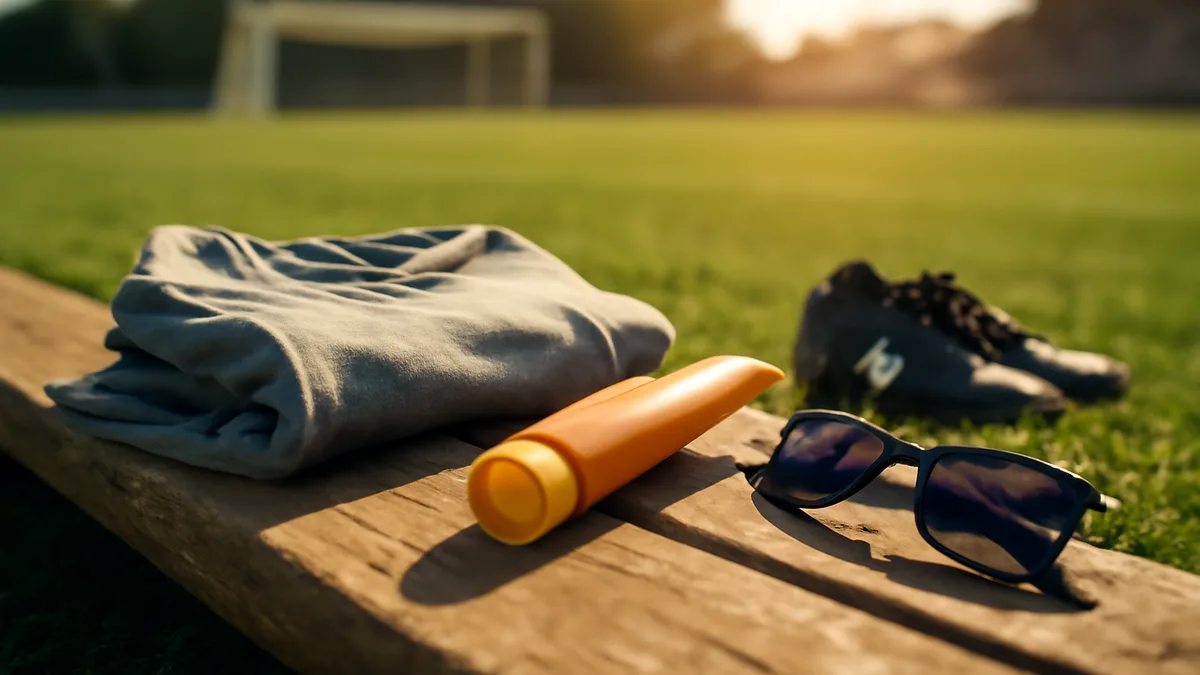
Match the checklist to the session ahead and assemble a compact sun kit: a UPF top or gaiter for the core, a sport-formulated sunscreen for exposed areas, and a fitted pair of UV-blocking sunglasses. Pack the kit where it can be accessed easily at breaks, and practise reapplication once during a long training block to make it a routine. Finally, check forecasted UV levels before long sessions and choose the combination that keeps exposure within acceptable limits.
For general guidance on broad protective measures consult official public health advice about sun safety.
Frequently asked questions
How often should athletes reapply sunscreen?
Reapply whenever heavy sweating, towelling or water exposure occurs. Use natural breaks in training to top up high-risk zones like the face, ears and hands to maintain protection.
Are UPF garments better than sunscreen?
UPF garments provide persistent coverage for the areas they cover and do not wash off with sweat, making them the more reliable option for long exposures. Sunscreen remains necessary for exposed skin that cannot be practically covered.
What should athletes look for in sunglasses?
Choose sunglasses that explicitly block both UVA and UVB and fit closely to prevent sunlight entering around the frame. Consider lens tint and polarization for comfort, and pick sport-specific frames for secure fit during movement.
