
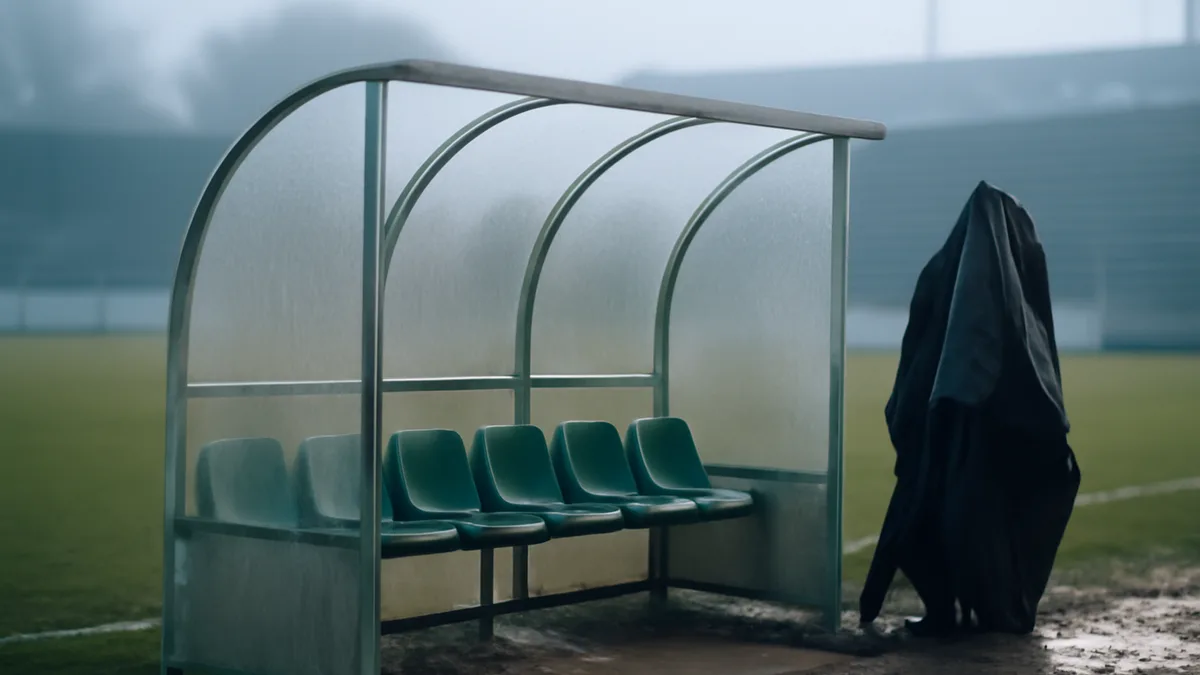
Buying weather protection for a local club is a set of trade-offs, not a single purchase. Choices hinge on how often equipment will be moved, who stores it, and whether protection must be quick to deploy.
This guide lists the items most clubs actually buy, ranks the priorities for choosing each, and shows common mistakes to avoid. The recommendations aim at usable, maintainable kit rather than the most expensive option on a catalogue page.
How to decide before buying
Start with three facts: how many matches and training sessions need protection, where kit will be stored, and who will handle installation. A heavy, permanent shelter can be ideal for a ground with a secure storage room and volunteer time for installation; a folding bench cover is better when volunteers carry kit to multiple sites.
Measure the pitches and the vehicle access. If a truck can drive to the storage area, larger rigid shelters are feasible. If access is across fields, favour lightweight, foldable options and fewer distinct pieces to move.
Priority list: the six things a small club needs
Benches with integrated covers
Benches with integrated hard or polycarbonate covers give protected seating without a separate install. They keep players and coaches out of wind and rain and reduce the need to carry extra covers; choose models with UV-stable glazing and galvanised frames for longer life.
Portable team shelters
Portable team shelters, often pop-up frames with a fabric canopy and side panels, are the most flexible option for clubs that move between venues. Prioritise shelters with replaceable covers and simple anchoring systems so they can be secured on grass and hard surfaces.
Waterproof bench covers
Waterproof bench covers are a low-cost, highly portable way to protect existing benches and plastic seats. Look for covers with reinforced seams and a fastening system that resists wind; lighter materials are easier to handle but will need more frequent replacement.
Pitch covers and ground sheets
Pitch covers and ground sheets stop localised wear and keep substitution zones dry in bad weather. Select ground sheets made from woven polyethylene or polyester with taped seams; the chief requirement is that they are large enough for the intended area and have fixing points for windy conditions.
Bagged weights and anchoring systems
Anchoring is more important than the canopy material. Heavy bagged weights, screw-in anchors for soil, and ratchet straps for hard surfaces each have a place. Match the anchoring method to the ground type and to how often equipment will be installed and removed.
Protective covers for equipment and benches
Separate protective covers for balls, medical kits and spare kit reduce water damage and extend the life of consumables. Choose breathable covers for kit that will be stored damp, and hard-shell boxes for items that must stay dry and secure when left outdoors.
Where clubs commonly go wrong
Errors usually fall into a few repeatable patterns. These mistakes cost more over time than a slightly better-aligned initial purchase would.
- Buying heaviest option: A heavy welded shelter will last but may never be moved; clubs with off-site storage end up not using it because transport is impractical.
- Ignoring anchoring: Strong frames with poor anchoring fail in wind, rendering an otherwise good shelter useless and potentially dangerous.
- Underestimating storage: Oversized covers and shelters need dry, pest-free storage; damp storage shortens fabric life and can lead to mould.
- Mixing standards: Buying many small incompatible covers and anchors creates confusion on matchdays and delays setup.
Beginners versus experienced clubs
New or volunteer-run clubs should favour versatility and low weight. A single pop-up team shelter and a set of waterproof bench covers will solve most needs while keeping transport and storage simple.
Experienced clubs with secure storage and predictable home use can invest in fixed shelters and heavier-duty pitch covers. These offer better long-term protection but require the labour and space to maintain them.
Comparing the main options
The table below compares three common approaches on portability, durability, installation effort and weather protection. Use these axes to match an option to the club’s storage, access and volunteer capacity.
| Option | Portability | Durability | Installation effort | Weather protection |
|---|---|---|---|---|
| Foldable pop-up shelter | High | Medium | Low | Good for rain and light wind |
| Rigid bench with canopy | Low | High | High | Very good for wind and rain |
| Plastic bench + covers | Medium | Medium | Low | Good for rain, less so for strong wind |
Shopping specifics that matter
Ask suppliers for fabric specifications (material type, UV rating, seam treatment) and frame materials (aluminium or galvanised steel). Insist on spare covers being available and check the warranty on moving parts such as hinges and sliders; replacements extend the useful life of a shelter significantly.
For bench covers and ground sheets, check seam construction and whether seams are taped or welded. Confirm that any fastenings fit to the club’s benches and storage realities rather than needing bespoke adaptors.
What to do next
Measure storage access and mark the footprint where each item will sit. Decide on one portable shelter and one permanent option to trial, then buy the spares and anchors that match those choices. Arrange for a single volunteer to be responsible for setup instructions and storage, and schedule a trial deployment day before the season starts.
One authoritative page about dugouts and team shelters is listed for technical reference within the product-selection process.
Frequently asked questions
Which shelter is most portable?
Pop-up or foldable shelters are the most portable option because they collapse into carryable frames and fabric covers. They require the least installation effort and suit clubs that move kit between sites.
How should anchoring be chosen?
Choose an anchoring method that matches the surface: screw anchors for soil, heavy bag weights for hard ground, and ratchet straps for fixed points. Proper anchoring prevents wind damage and is often more important than fabric strength.
What storage do covers need?
Covers need a dry, pest-free space with enough room to avoid compressing seams for long periods. Damp or cramped storage accelerates wear and can cause mould, shortening fabric life.
