
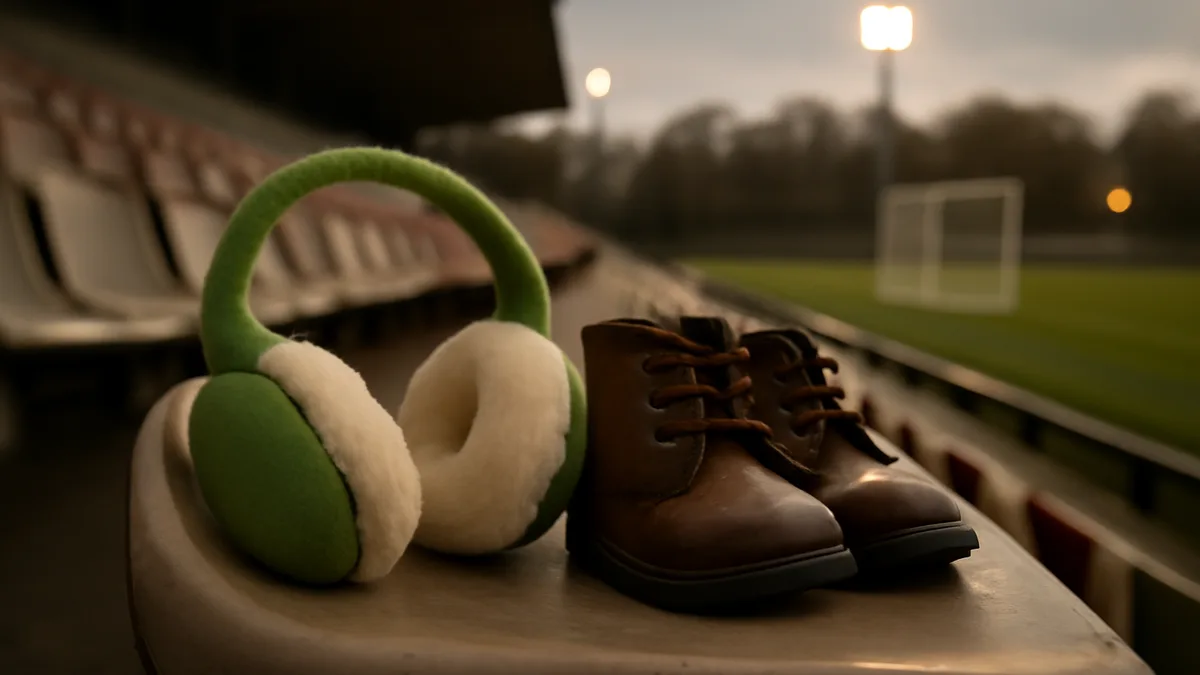
Deciding to take a child to a live match is mostly about matching the child to the occasion. The key trade-offs are crowd size and behaviour, noise level, and how long the trip will be. Choose the setting that fits the child’s attention span and tolerance for loud, unpredictable environments.
This guide lists the priority decisions in the order they most commonly affect whether a match will be a positive experience for a child: from simple policy checks to the small kit that fixes most problems. Each heading stands alone so quick answers are available if time is short.
Priority checks: the list
Age policies
Check the club’s age and ticketing rules before buying any tickets. Many clubs publish specific provisions for under‑5s, under‑12s or under‑16s, and some have family areas with different entry rules; these affect where the party can sit, whether a child needs their own ticket, and which gates are recommended for arrival.
Hearing protection
Stadiums are loud and sudden peaks of noise are common; hearing protection is a simple, high‑impact precaution. Foam or silicone earplugs and earmuffs differ by comfort and attenuation: earmuffs give more consistent protection for very young children, while plugs are smaller and work well with older children who will keep them in place.
Timing and travel
Journey length and kick‑off time often decide whether a child copes. Shorter trips, earlier kick‑offs and direct transport reduce stress. Build in arrival time for security checks and a bathroom visit so the child is settled before the crowd builds; leaving time for a calm exit is equally important after the final whistle.
Tickets and seating
Choose seating with the child’s experience in mind. Family enclosures usually have reduced alcohol sales and staff trained for younger spectators, while general admission can be noisier and less predictable. Seated options nearer the back allow easier movement and quicker exits if a child becomes unsettled.
Food, drink and medical needs
Plan for snacks and hydration without relying on match‑day kiosks alone. Bring familiar, non‑messy options and a refill bottle where allowed. If a child has dietary needs or medical requirements, carry prescriptions and a small record of the condition; check the club’s policy on medication and first‑aid provision before travelling.
Practical checklist
- Bag essentials: Pack small items such as ear protection, hand sanitiser, wet wipes and a lightweight waterproof layer in case of weather change.
- Comfort items: Bring a familiar small toy, a comfort blanket or snacks to anchor a young child during longer waits.
- Identification: Carry a contact card with the child’s name, an emergency contact and any medical notes; zip pockets or a lanyard work well for busy concourses.
- Exit plan: Decide where to regroup if the group becomes separated and identify quiet zones or family rooms the club provides.
Weather and clothing
Clothing decisions are simple and consequential: dress the child in layers and choose shoes that are easy to remove for security checkpoints. Waterproofs and a spare top are small investments that prevent a damp, miserable journey home; a sun hat and sunscreen matter just as much for open stadia in sunny conditions.
Behaviour, boundaries and exit cues
Set clear, concrete rules before arrival: where to meet if separated, acceptable places to move around, and what to do if noise becomes too much. Agree a non‑verbal cue for an immediate exit and practise it briefly; children respond better when they know the steps and the adult follows them calmly.
Table: seating options compared
| Proximity to pitch | Noise level | Access and facilities | |
|---|---|---|---|
| Family enclosure | Moderate — often set aside but not pitch‑side. | Lower — designed for younger supporters. | Good — baby changing and family toilets often nearby. |
| Seated general admission | Varies — choose higher or end seats for easier exits. | Variable — can be noisy depending on surrounding fans. | Standard — facilities depend on stand. |
| Hospitality/covered boxes | Often closer and more private. | Lower — quieter environment with restricted access. | Best — dedicated food and quieter waiting areas. |
| Standing/ultras areas | Closest to pitch in many grounds. | Highest — loud, continuous singing and noise peaks. | Limited — movement and exit can be difficult in crowds. |
How to decide
Start with the child’s sensory tolerance and attention span. For very young children or anyone sensitive to noise, a family area or hospitality option is the safer default. For older children who want atmosphere, assess whether the lead adults can manage crowd movement and a quicker exit if needed. Work back from the child’s limits rather than trying to adapt the child to the match.
Where people go wrong
Two mistakes recur: over‑estimating how long a child will sit quietly, and under‑preparing for loud noise. Both are easy to avoid. Underestimate the child’s tolerance and pack hearing protection and a clear exit plan; attach comfort items and snacks to the checklist so they aren’t forgotten in the rush.
Beginner versus experienced carers
Beginners should prioritise predictability: choose earlier kick‑offs, family sections and shorter journeys. Experienced carers can manage longer trips and more boisterous areas because they have practiced quick exits and know the child’s triggers. Either approach benefits from the same small kit and the same attention to timing and hydration.
What to do next
Before buying tickets, check club rules and locate entry gates and family facilities on the stadium map. Pack the practical checklist the night before and plan for a relaxed arrival. On match day keep the child’s routine in mind: familiar food, a nap if needed, and a simple exit cue all increase the chance of a successful outing.
The FA publishes general information for spectators; local club pages list specific arrangements. For guidance on hearing and noise levels, hearing protection is a recognised measure.
Frequently asked questions
What age rules do clubs use for tickets?
Clubs vary: some allow under‑5s free, others require a ticket from a specified age and run family enclosures. Always check the club’s published ticketing and age policies before purchase to avoid surprises.
What hearing protection is best for children?
Earmuffs give reliable attenuation and are easiest to fit for very young children; foam or silicone earplugs suit older children who will keep them in place. Choose comfortable, certified protection and practise wearing them at home first.
How early should families arrive at the stadium?
Aim to arrive with enough time for security, a bathroom visit and a snack before kick‑off; this reduces stress and avoids last‑minute rushing. Factor in extra time for busy public transport or parking and a calm exit after the match.
