
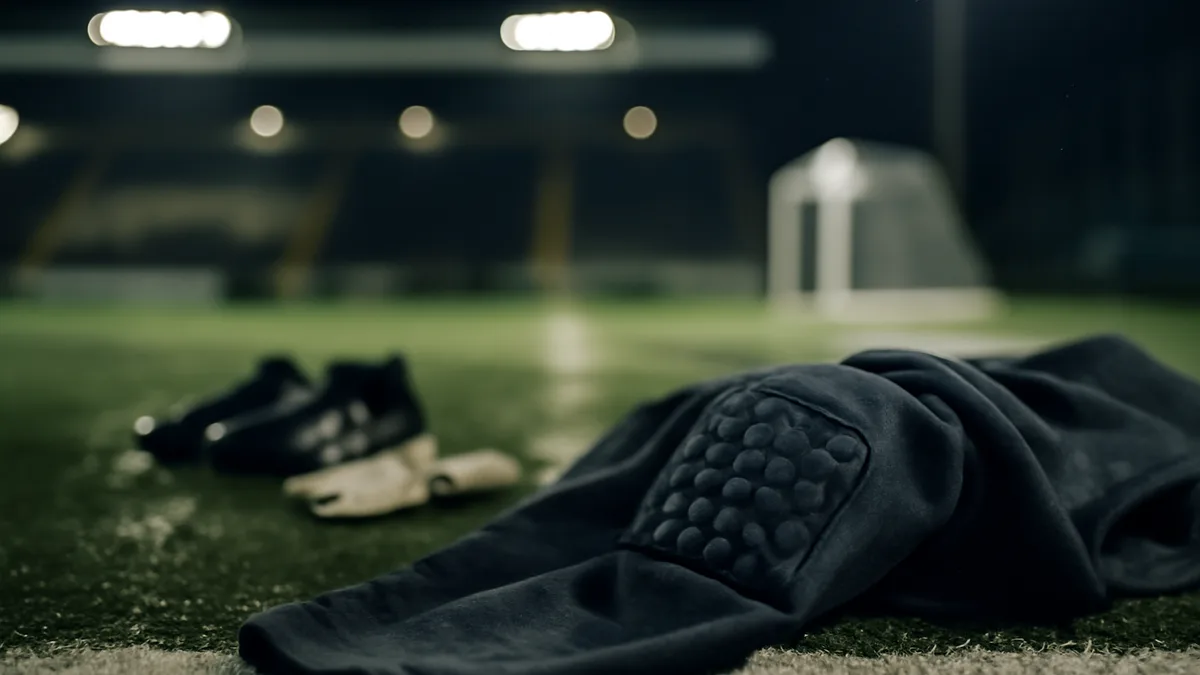
Choosing goalkeeper kit beyond gloves is about four core trade-offs: how much protection is needed, how the kit affects movement, how it stands up to the playing surface, and how easy it is to maintain. This guide lists the decisions in the order most goalkeepers face them, with practical rules that apply at recreational, club and academy levels.
The sections that follow give direct answers for each decision, a comparison table for common alternatives, and short notes on where people commonly go wrong and how the choice differs for a beginner compared with an experienced keeper.
How to decide
Start by matching protection level to the contact and surface of typical games. Next prioritise fit: anything that restricts reach or rotation is a poor trade. Then check durability and maintenance: padded fabrics or breathable panels require different care. Finally, buy a small kit-care set for repairs and glove maintenance so the whole outfit lasts.
Priority list: what to choose, in order
Padding level on the jersey
Choose padding to match the contact expected; light, sewn-in foam is enough for most weekend and training work, while thicker moulded pads suit keepers who take a lot of collisions or play regularly on harder surfaces. Padding reduces impact but adds bulk; look for designs that keep pads over the chest and elbows rather than across the torso to preserve rotation.
Sleeve length and cuff style
Sleeve length affects both protection and ball control. Long sleeves offer forearm protection and reduce abrasions when diving on hard ground, while three-quarter or short sleeves increase ventilation and can improve grip on the ball on warm days. A fitted cuff or elastic wrist keeps sleeves from riding up; consider jersey cuts with a modest thumb loop if sleeve movement has been a problem in the past.
Trousers versus shorts on hard ground
Trousers with reinforced knees are the safer choice on artificial turf and worn natural pitches because they protect against scrapes and friction burns; reinforced panels should sit over the knee rather than below it. Shorts are lighter and cooler; they suit indoor pitches or soft grass where abrasion risk is low. For mixed surfaces, a lightweight padded trouser with breathable panels is the most versatile compromise.
Material and breathability
Prioritise fabrics that balance stretch, abrasion resistance and moisture management. Polyester blends with mechanical stretch are the most common because they keep shape and dry quickly. Mesh or vent panels under the arms and behind the knees improve comfort in warm conditions; these should not be placed where repeated slides will wear them out.
Glove care kit and maintenance items
A basic care kit should include a soft brush for latex, a mild wash solution or glove soap, a cloth for drying, and a small repair patch for minor cuts. Regular cleaning prevents dirt embedding in the latex and prolongs the usable life of gloves. Store gloves away from heat and out of direct sunlight; keeping spare gloves and a simple hygiene kit reduces the temptation to play with waterlogged or dirty pairs.
Boots and soleplate for the pitch
Match the soleplate to the surface: moulded studs for grass, multi-stud low-profile or turf soles for artificial pitches, and flat-soled indoor shoes for courts. Boots with a wider last or known for a roomy toe box suit keepers who favour stability when planting for a dive. If a brand is traditionally known for a roomy fit, start there when trying on new boots.
Layering and cold-weather choices
For cold climates, lightweight thermal base layers that wick moisture keep limbs warm without adding bulk. Choose base layers with flat seams to avoid chafing at the shoulders. Overlayers should be cut to allow full arm extension; bulky jackets that restrict shoulder rotation are a false economy in training or matches.
Comparing common alternatives
| Item | Protection | Mobility | Maintenance |
|---|---|---|---|
| Long-sleeve padded jersey | High protection: good for collisions and hard ground. | Moderate: can add bulk, choose fitted cuts. | Medium: padded areas trap dirt; wash carefully. |
| Short-sleeve jersey | Low protection: suitable for soft surfaces. | High: least restrictive for reaching. | Low: easy to launder and quick to dry. |
| Padded trousers | High protection: knees protected on artificial turf. | Moderate: heavier than shorts, choose stretch panels. | Medium: reinforced patches need attention. |
| Shorts | Low protection: for indoor or soft grass use. | High: best for mobility and cooling. | Low: simplest to wash and dry quickly. |
Where people go wrong
Buyers often prioritise aesthetics over fit and end up with kit that restricts movement or wears out quickly. Another common mistake is choosing heavy padding for occasional contact; the extra bulk reduces reach and increases heat retention. Finally, ignoring maintenance creates rapid deterioration: abrasive surfaces and retained moisture are the main causes of early failure, not the fabric itself.
Beginner versus experienced keeper choices
Beginners should favour protection and comfort: long sleeves and padded trousers reduce the fear factor while learning to dive, and a modestly roomy fit allows for movement errors. Experienced keepers can prioritise low-bulk designs and targeted padding where they know they take contact. Experience also changes maintenance priorities: advanced keepers are more likely to keep a glove-care kit and repair patches to preserve a carefully tuned glove and trouser set.
What to do next
Measure what matters: shoulder width, chest circumference, sleeve length and hip-to-knee length. Try on kit with the boots and at least one pair of gloves to check reach and rotation. Invest in a small maintenance kit immediately and plan to launder padded items on a gentle cycle or by hand. Finally, if uncertainty remains over fit, favour exchangeable purchases from retailers with flexible returns so the kit can be tested on-pitch.
For the official rules on required clothing consult the Laws of the Game and for national guidance consult The FA.
Frequently asked questions
What sleeve length should a beginner choose?
Beginners should usually choose long sleeves for extra forearm and elbow protection; they reduce scrapes and add confidence when learning diving techniques. If heat is a concern, look for long sleeves with breathable panels rather than switching to short sleeves immediately.
Are padded trousers necessary on artificial turf?
Padded trousers are strongly recommended on artificial turf because they protect knees and hips from repeated abrasion and friction burns. If trousers feel too restrictive, choose a padded design with stretch panels positioned to maintain mobility over the joint.
What should a basic glove care kit include?
A basic glove care kit should contain a soft brush for cleaning latex, a mild glove wash or soap, a soft cloth for drying and a small repair patch for minor cuts. Also store gloves away from heat and sunlight and alternate pairs to extend usable life.
