
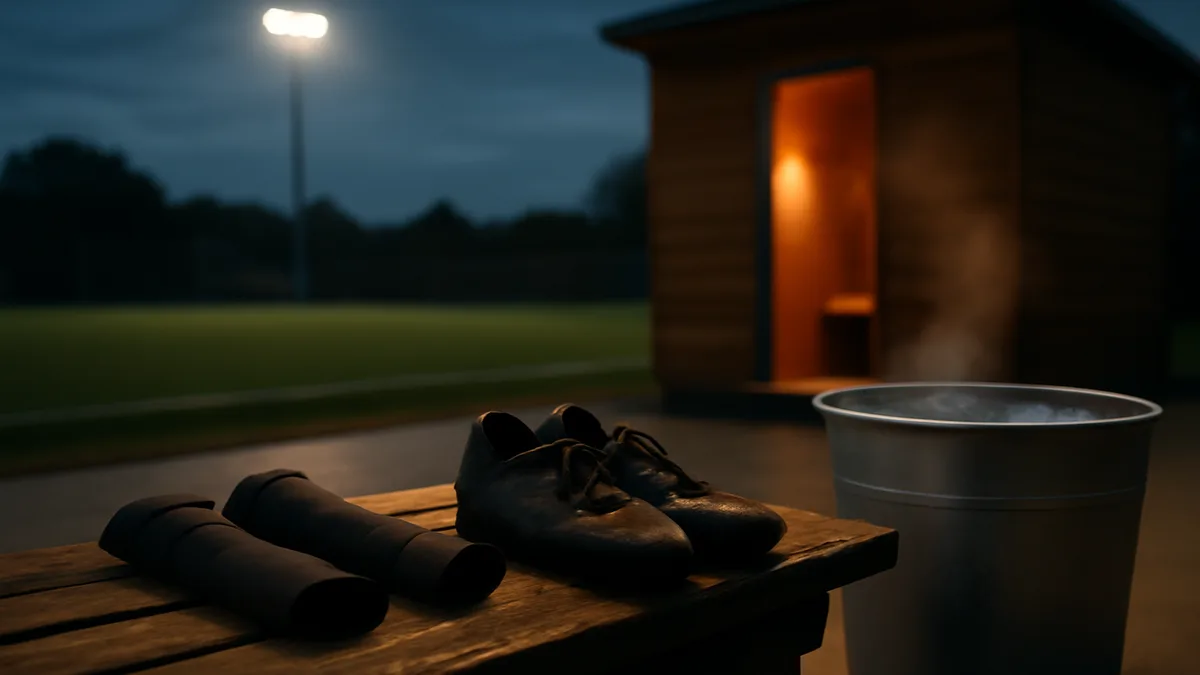
Deciding which recovery technology to buy turns on two things: the physiological goal and the context in which it will be used. Some devices aim to reduce soreness, others to speed cardiovascular readjustment or to help sleep; the evidence for each outcome is different.
This guide lays out priorities in order, then explains common mistakes and how decision-making differs for beginners and experienced players. It focuses on three widely sold approaches — compression, cold exposure and heat — and on the features that matter when spending money.
How to decide
Start from the constraint that matters most: available time and how recovery needs fit the training schedule. If sessions are daily and intense, acute strategies that shorten perceived soreness may be useful; if there are long recovery windows, lifestyle interventions such as sleep and nutrition give bigger returns. Treat tech as targeted support, not a primary driver of fitness.
Common mistakes buyers make
People often expect recovery tech to erase fatigue rather than to shift one specific mechanism. A device that improves circulation will not necessarily blunt inflammation after a marathon. Another frequent error is buying the most expensive product on reputation alone; the right feature set is more important than brand prestige.
Beginner versus experienced use
Beginners benefit most from simple, low-cost interventions that have broad effects: consistent sleep, hydration and active recovery. Experienced players can incorporate more specialised tools to target marginal gains around congested schedules, travel or known weak points such as recurring delayed-onset muscle soreness.
The ordered checklist for buying recovery tech
The next sections are a ranked sequence. Order shows how often the point matters in a typical buying decision: priorities first, finer technical choices later.
Compression garments for circulation
Compression is primarily a circulatory and proprioceptive intervention: graded pressure can reduce limb swelling and alter how muscles feel after exercise. Choose garments by fit and graduated pressure rather than by brand; look for sleeves or tights that match body shape and that provide consistent, measurable compression across the limb.
Control and adjustability
Devices that allow incremental adjustments are more versatile than fixed items because recovery needs vary across sessions. For compression systems, adjustable straps or selectable pressure levels let a player use lighter compression after light sessions and firmer settings after long runs.
Cold water immersion for acute inflammation
Cold water immersion is best considered an acute, short-term tool to blunt post-exercise inflammation and reduce soreness where fast turnover is needed. It is most useful around competitions or tightly scheduled training blocks rather than as a routine daily practice.
Practical cold setup
A decision about cold exposure should include ease of use and access. A portable tub or a facility that reliably provides chilled water will be more useful than a more elaborate system that is hard to set up after sessions.
Sauna for cardiovascular and heat adaptation
Sauna exposure targets cardiovascular and thermoregulatory adaptations and can assist recovery through improved sleep and relaxation in some athletes. Use sauna as a complementary tool to endurance training or for travel recovery rather than a direct substitute for sleep or nutrition strategies.
Material and durability
For any wearable or portable tech, material quality and durability matter because these products are used frequently and washed. Prefer fabrics and components known for sustained compression or for withstanding repeated heat and moisture rather than novelty materials with unproven longevity.
Integration with schedule
Choose systems that integrate with daily life: compression that can be worn during travel, a sauna near training facilities, or a cold solution that fits into the cooling-down slot. If a product is hard to use when time is tight, it will not deliver the intended benefit.
Evidence and claims
Assess marketing claims against the outcome targeted. Look for studies on the specific outcome of interest — soreness, inflammation markers, perceived recovery — rather than broad statements about “performance”. Protocol detail matters more than brand names: duration and timing determine whether a method has shown benefit.
Comparison table: common recovery options
| Feature | Compression garments | Cold water immersion | Sauna |
|---|---|---|---|
| Primary mechanism | Graduated external pressure affecting venous return and swelling | Thermal shock reducing local inflammation and pain signalling | Heat stress triggering cardiovascular and thermoregulatory responses |
| Best evidence for | Reducing perceived muscle soreness and limb swelling | Short-term reduction in soreness after high-load sessions | Improving cardiovascular recovery and relaxation benefits |
| Practicality | High — wearable, travel-friendly | Medium — needs water source and set-up | Variable — depends on facility access |
What to buy next
Make the purchase decision around the dominant constraint: time, access to facilities and the recovery outcome sought. For short windows between matches, prioritise portable compression and a simple cold option. For seasons with travel and heat adaptation needs, investigate sauna access or memberships that reliably fit the schedule.
When in doubt, choose adjustability and proven materials over novelty features. The marginal gains from recovery tech come from consistent use at the right time, not from saving a small amount on a poor-fitting product.
Cold water immersion
sauna
Frequently asked questions
When should I use compression garments?
Wear compression when the goal is to reduce limb swelling or perceived muscle soreness, especially during travel or between closely spaced sessions. Choose garments that fit well and offer graduated pressure rather than relying on brand claims.
Does cold water immersion speed long-term recovery?
Cold water immersion can reduce acute soreness and local inflammation after intense sessions, which helps during congested schedules or competitions. It has less consistent evidence for improving long-term training adaptations, so reserve it for quick turnover periods.
Can sauna replace sleep or nutrition?
Sauna can support cardiovascular recovery and relaxation, and it may aid sleep for some athletes, but it cannot substitute for adequate sleep or proper nutrition. Use sauna as a complementary tool when the schedule allows and as part of a broader recovery plan.
