
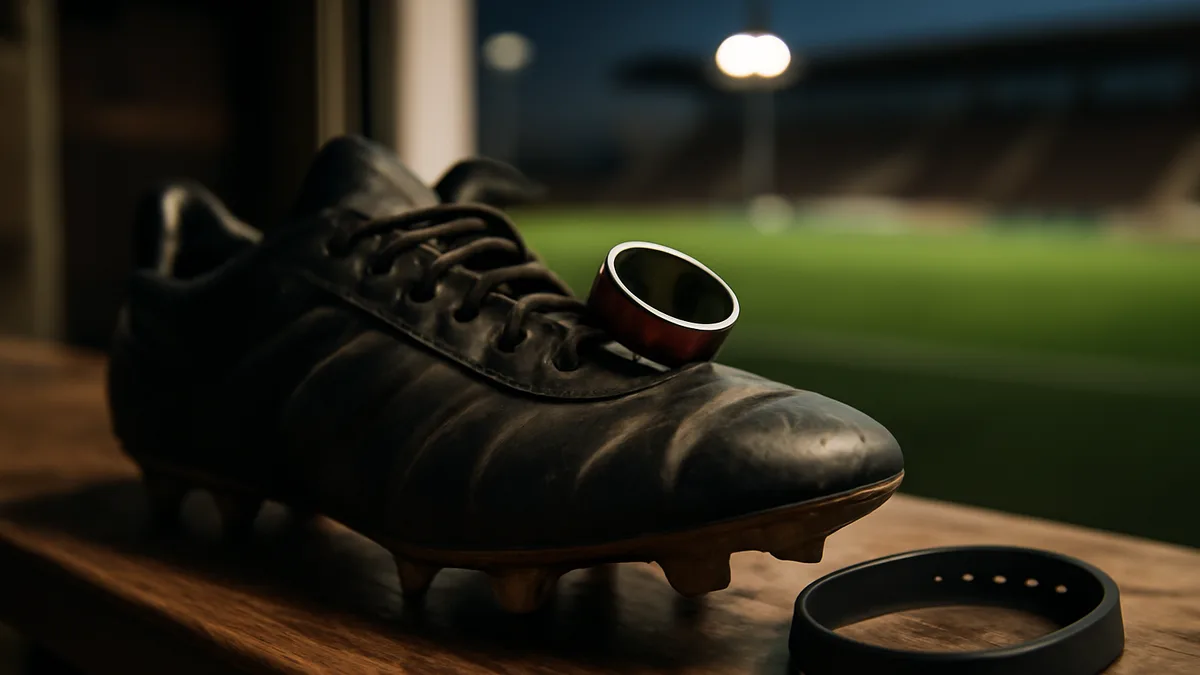
The decision between a smart ring and a tracker band turns on three things: which signals the device reliably picks up, how long it runs between charges, and how the device must be worn for those signals to be valid. Those are the trade-offs to think about before spending on hardware, accessories or ongoing subscriptions.
This guide lists the priorities in the order most buyers should treat them. It explains what each class of device typically measures compared with a watch, what subscriptions and data policies to expect, and where buyers commonly go wrong. Read the numbered checklist first; the longer prose sections add context for specific needs.
Why the choice matters
Picking a ring or a band affects what can be measured and how often the device must be charged, and those practical constraints change the product that will actually be useful. A sensor sitting on a finger contacts the skin differently and often delivers cleaner body temperature and blood-flow derived readings than the same sensor on a wrist. Conversely, wrist-worn devices have more room for larger batteries and more elaborate sensors such as GPS or multi-LED optical arrays, which opens different use cases.
Subscriptions are another decisive factor. Many devices offer cloud analytics, long-term trend storage and advanced features behind a recurring fee. Those services change the value proposition: they can be essential for deep sleep analysis or daily readiness scores, but unnecessary if the buyer only wants step counts and basic sleep windows. Finally, battery life drives real-world behaviour: a device that requires near-daily charging will be worn less consistently, degrading longitudinal metrics that rely on continuous data.
Priority checklist
Sensors required
Decide which physiological signals are essential before looking at form factors. For continuous heart rate and GPS-based activity tracking, a wrist device or watch is the usual choice because those devices commonly include chest-like optical arrays and built-in GNSS. For stable skin temperature and pulse waveform features, a ring or a finger-worn tracker typically performs better because of reduced motion artefact and the thermal isolation of the finger.
Battery endurance
Long battery life reduces the burden of charging and increases the chance of uninterrupted overnight data. Smart rings are often optimised to sip power and can run multiple days between charges, while bands and watches can support larger batteries but also drive more frequent charging if they include always-on displays and GPS. Choose the endurance profile that matches willingness to charge: longer life favours passive continuous monitoring, shorter life favours active, on-demand features.
Subscription model and data access
Check whether advanced metrics, trend history and export options are gated behind a subscription. Some manufacturers bundle cloud analytics or machine-learning derived scores as a paid service. If long-term data ownership or easy export is important, prioritise devices and brands that clearly advertise local export options or generous data retention without a mandatory subscription.
Fit and comfort
Comfort determines whether a device is worn consistently. Rings must fit snugly to keep sensors in contact and avoid rotation; bands must be tight enough to stabilise optical sensors without restricting circulation. Measure finger and wrist sizes carefully and favour adjustable bands or exchangeable ring sizes where possible, because small changes in fit change signal quality more than small differences in sensor quality.
Durability and environmental resistance
Consider exposure to water, detergents and knocks when choosing materials and construction. Bands and watches tend to offer broader water resistance and shock protection by design, which suits frequent swimmers and outdoor athletes. Rings can be very robust, but check sealing and material choices because frequent hand-washing and contact with household chemicals are common failure modes.
Data types versus activity types
Match the device to typical activity. For pool laps and outdoor runs where GPS is useful, a wrist device or watch will serve better. For sleep-focused monitoring, menstrual cycle tracking or recovery metrics derived from night-time temperature and pulse-variability, finger-based devices often provide higher-quality baselines. Choose the device whose strengths align with the activities that matter most.
Compatibility and ecosystem
Verify phone compatibility, third-party app support and whether the device integrates with health platforms already used. Some products sync only with a proprietary cloud and app, while others provide open export in common formats so the same dataset can be analysed in different tools. If integration with coaching platforms or club systems is required, prioritise devices with standard export features or public APIs.
Common mistakes buyers make
Buyers often pick a device on look or hype without matching its strengths to their needs. That leads to two common failures: overpaying for sensors that will never be used, and choosing a device with a short battery life for a use case that requires continuous monitoring. For example, selecting a watch because it looks ‘feature rich’ while actually needing precise night-time temperature tracking ignores the fact that a ring’s finger contact can give cleaner temperature traces.
Another frequent error is underestimating subscription lock-in. Advanced predictive features and coaching modules are often subscription products; losing access can remove key functionality and historical context from the device. Buyers who value self-hosting or ownership of raw data should confirm export and local backup options before purchase rather than assume the vendor allows easy data portability.
Beginner versus experienced users
Beginners should favour simplicity: a device that measures a few core signals reliably and exposes the results without mandatory cloud dependencies. Beginners benefit from long battery life and straightforward metrics — steps, sleep window, resting heart rate — because those are easy to interpret and maintain. A straightforward wrist band or entry-level ring that highlights these core indicators avoids early abandonment.
Experienced users often want raw data access, high-sampling-rate heart-rate variability, and detailed sleep-stage algorithms; they also tend to accept shorter battery life for richer sensors. This group should prioritise devices and vendors that document data export formats and offer APIs or CSV download. Experienced users also profit from combining devices: a ring for sleep and recovery baselines plus a wrist device for GPS-based workouts is a common setup.
Comparing rings, bands and watches
Below is a compact comparison of the three mainstream form factors on axes that actually affect buying decisions. The grid highlights typical strengths and expected constraints, which helps picking the right category rather than a specific model.
| Typical sensor set | Battery life | Best signals | |
|---|---|---|---|
| Ring | Optical PPG, temperature, inertial | Multi-day to multi-week | Skin temperature, pulse waveform, sleep continuity |
| Tracker band | Optical PPG, accelerometer, sometimes pulse oximetry | Days to a week | Daily activity, heart rate trends, basic sleep staging |
| Watch | Optical PPG, GNSS, altimeter, larger inertial suite | One day to several days | Activity GPS, structured workouts, continuous HR |
For buyers interested specifically in sensor definitions and device classification, the term wearable device is frequently used in standards documents and regulatory descriptions of these categories.
What to do next
Start by listing the three signals or features that matter most. Match those priorities to the checklist above. If night-time physiology and minimal charging are primary, shortlist finger-worn devices. If GPS and structured training matter, shortlist wrist devices that explicitly include GNSS.
Before buying, read the vendor’s data-export and subscription pages and confirm ring or band size options. Finally, plan for an adaptation period: wearables often need a few weeks of steady data to reveal useful trends, so treat the first month as an evaluation window rather than a final judgement.
Frequently asked questions
What does a ring measure compared to a watch?
A ring typically measures skin temperature, pulse waveform and motion from the finger, which gives cleaner night-time temperature and pulse-derived metrics. A watch usually adds GPS, larger optical arrays and altimeters, which are better for outdoor activity and structured workouts.
Do smart trackers require subscriptions?
Some devices lock advanced analytics, long-term trend storage or coaching behind a subscription while basic metrics remain free. Buyers who need raw-data export or offline storage should check vendor policies before purchase to avoid losing essential features.
How important is battery life for long-term tracking?
Battery life directly affects whether a device is worn consistently; longer life favours continuous overnight monitoring and better longitudinal data. Choose a form factor whose typical charging cadence matches willingness to charge, because inconsistent wear reduces measurement value.
