
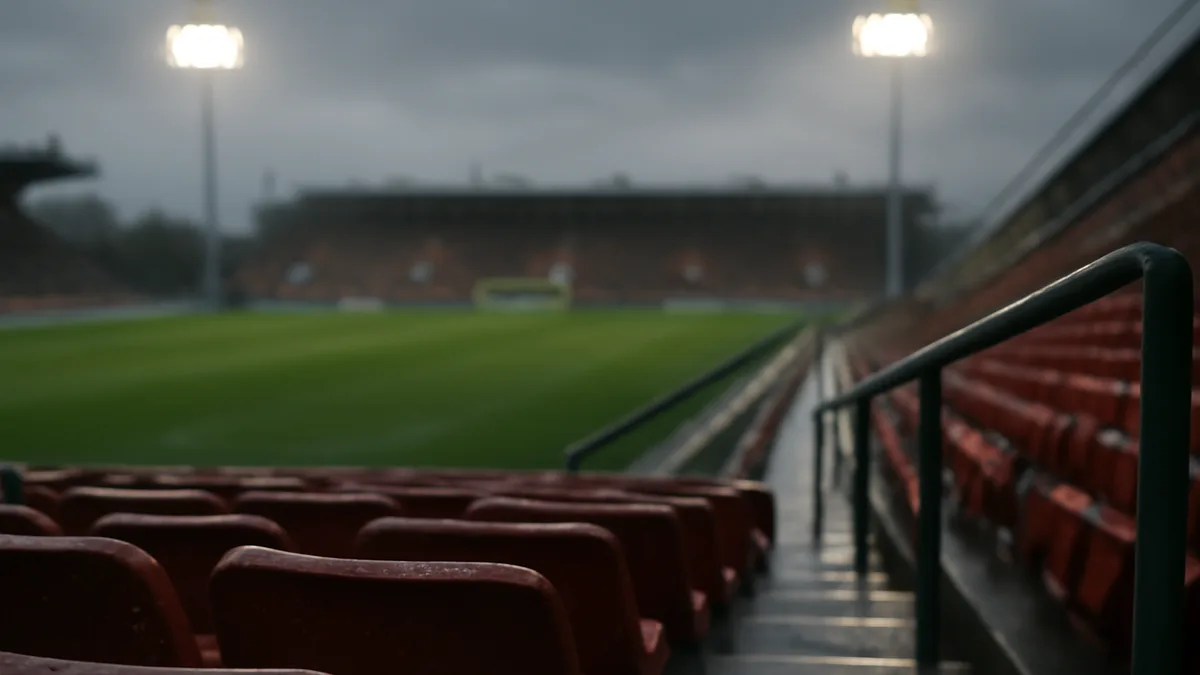
Choosing between ticket tiers is a decision about trade-offs: sightlines, shelter from the elements, closeness to the pitch, and the social atmosphere in a stand. Price signals those trade-offs but does not guarantee them; knowing how clubs usually allocate features makes the choice predictable.
This guide puts the practical priorities in order and explains what to expect from each tier. Use the points below to match a personal priority — weather protection, crowd noise, or family access — with the right area of the ground.
How to decide before buying
Decide what matters most: view, comfort, atmosphere, or a kid-friendly zone. For every extra pound of ticket price there is usually a return in one or two of those dimensions, not all of them. If the club publishes a stadium map, match the labelled sections to the priorities here; where maps are unclear, phone or email the club’s ticket office and ask which named stands offer the feature listed in the point headings below.
Six priority checks when choosing a price tier
Sightlines near the pitch
Closer or lower-tier seats usually buy a clearer, more immediate view of play. Lower rows and sections along the touchline give better angles for tracking passes and off-the-ball movement, while seats behind goal change that balance in favour of depth perception on crosses. If uninterrupted view matters, favour block names that include “pitch-side”, “lower”, or “touchline” on the stadium plan; high rows behind a press area or camera gantry can be compromised.
Sun, shade and cover
Higher-priced seats frequently sit beneath a roof or in a covered bowl, which protects from rain and reduces glare. If games start in the afternoon or the stadium is open-ended, a covered seat keeps both rain and low sun off the face and the pitch; uncovered seats can be cheap but expose watchers to weather and direct sunlight. Check whether the stand is under continuous canopy where the club labels the section as covered, since weather protection is one of the clearest tangible returns for a higher tier.
Atmosphere by stand
Price tiers do not create atmosphere; placement does. Lower-priced seats in the home end or behind goal often sit amid the most vocal supporters, delivering high energy and singing. Premium seats in executive or family areas tend to be quieter. Match-day atmosphere should be a primary filter: if vocal support matters, choose sections historically occupied by supporters groups rather than those marked as corporate or quiet.
Family sections and sightlines for children
Family sections combine safer sightlines, stewarding and a calmer atmosphere suitable for younger fans. These areas are usually priced for affordability and positioned where stewarding and toilets are nearest. If bringing children, a family ticket tier often includes simple concessions on behaviour policy and entry, making it a better buy than a standard adult seat in a row with rowdy fans.
Accessibility and easy entry
Accessible ticket tiers buy level access, wider gangways and closer facilities. These seats are allocated in specific blocks near entry gates and lifts. If mobility, quick escape routes, or proximity to facilities like accessible toilets matter, choose the tier explicitly labelled for accessibility rather than assuming a premium seat gives easier access.
Broadcast camera lines and obstructions
Some cheaper seats are obstructed by camera rigs or gantries and these often appear within budget blocks. Higher ticket tiers generally avoid primary camera sightlines, but local production needs can still place equipment in unexpected rows. Look for club notes on “restricted view” when selecting an inexpensive price tier, since a small saving can come with a big visual compromise.
Common ways buyers go wrong
- Assume proximity equals best view. A seat close to the pitch but tucked on the end will distort the angle and cut off sight of play on the far side.
- Ignore weather for cheap seats. Savings on an uncovered upper stand can evaporate if rain or low sun makes the experience unpleasant.
- Overlook stewarding and family labels. Not every club enforces family sections the same way, so double-check what behaviour standards and steward presence the tier promises.
Table: how typical ticket types compare
| Sightlines | Atmosphere | Weather protection | |
|---|---|---|---|
| Lower touchline | Excellent side-on view of play across the width of the pitch. | Mixed, quieter than ends but engaged. | Variable; often uncovered near the pitch. |
| Upper stand | Good overall perspective; depth perception improved. | Moderate; depends on proximity to vocal areas. | Often covered, depending on stadium roof design. |
| Goal end | Limited lateral visibility; great for close-up of goalmouth action. | High energy; usually the loudest. | Usually exposed to elements. |
| Family area | Designed for clear sightlines for children and carers. | Low-noise, managed atmosphere. | Typically covered or sited near sheltered concourses. |
What differs for the beginner and the regular
Beginners should prioritise clear sightlines and family or stewarded sections. A straightforward view and a calm atmosphere reduce stress on first visits. Regulars can trade view or some comfort for atmosphere, choosing cheaper blocks inside vocal areas or standing terraces if available and permitted.
Frequent attendees may also benefit from season-ticket locations that lock in a preferred sightline and price band; occasional buyers should make single-match choices around weather and expected crowd behaviour.
What to do next
Match the single most important factor to a ticket feature: view for sightlines, roofed blocks for weather, or labelled family and accessible areas for safety and facilities. Consult the stadium seating plan and the club’s ticket descriptions for keywords used in this guide. If in doubt, contact the ticket office with the exact section name and ask whether it offers the feature highlighted in the point headings above.
For guidance on how stadium architecture treats weather and coverage, note the section labelled stadium cover in official stadium descriptions.
Frequently asked questions
Which tier is best for families
Family sections are usually the best choice because they combine calmer atmosphere, closer stewarding and sightlines suited to children. They are often priced for affordability and positioned near toilets and entry points.
How to avoid obstructed views
Check the club’s seating plan for labels such as "restricted view" or camera gantry notes and avoid the lowest-priced blocks directly behind broadcast equipment. When unclear, ask the ticket office which rows are free from obstructions.
Does a higher price guarantee a better atmosphere
No. Higher prices typically buy cover and comfort rather than louder support; the most vocal atmosphere usually comes from specific sections like the home end or terraces, which can be inexpensive. Choose by stand location rather than price alone.
